Barcelona

Barcelona, Spain: A Sustainable Travel Guide

Barcelona blends Gothic architecture with modernisme, offering opportunities for sustainable travel amidst its vibrant Catalan culture and Mediterranean coast.

Barcelona: Art, architecture, and sustainable living converge in Catalonia's capital.
Spain

Overview

About Barcelona

Barcelona Sustainable Travel offers a vibrant exploration of Catalonia's capital, where historic grandeur meets contemporary eco-consciousness. Experience the architectural marvels of Antoni Gaudí, from the iconic Sagrada Família to Parc Güell, alongside a thriving commitment to green initiatives. This guide will help you navigate Barcelona's diverse districts, savor local cuisine, and embrace responsible tourism practices for a memorable and mindful visit.

Top Highlights

  • Wander the Gothic Quarter's labyrinthine alleys, discovering Plaça Reial.
  • Marvel at Antoni Gaudí's Sagrada Família and Parc Güell.
  • Explore Mercat de la Boqueria for fresh Catalan produce and tapas.
  • Stroll along Barceloneta Beach, enjoying the Mediterranean coast.
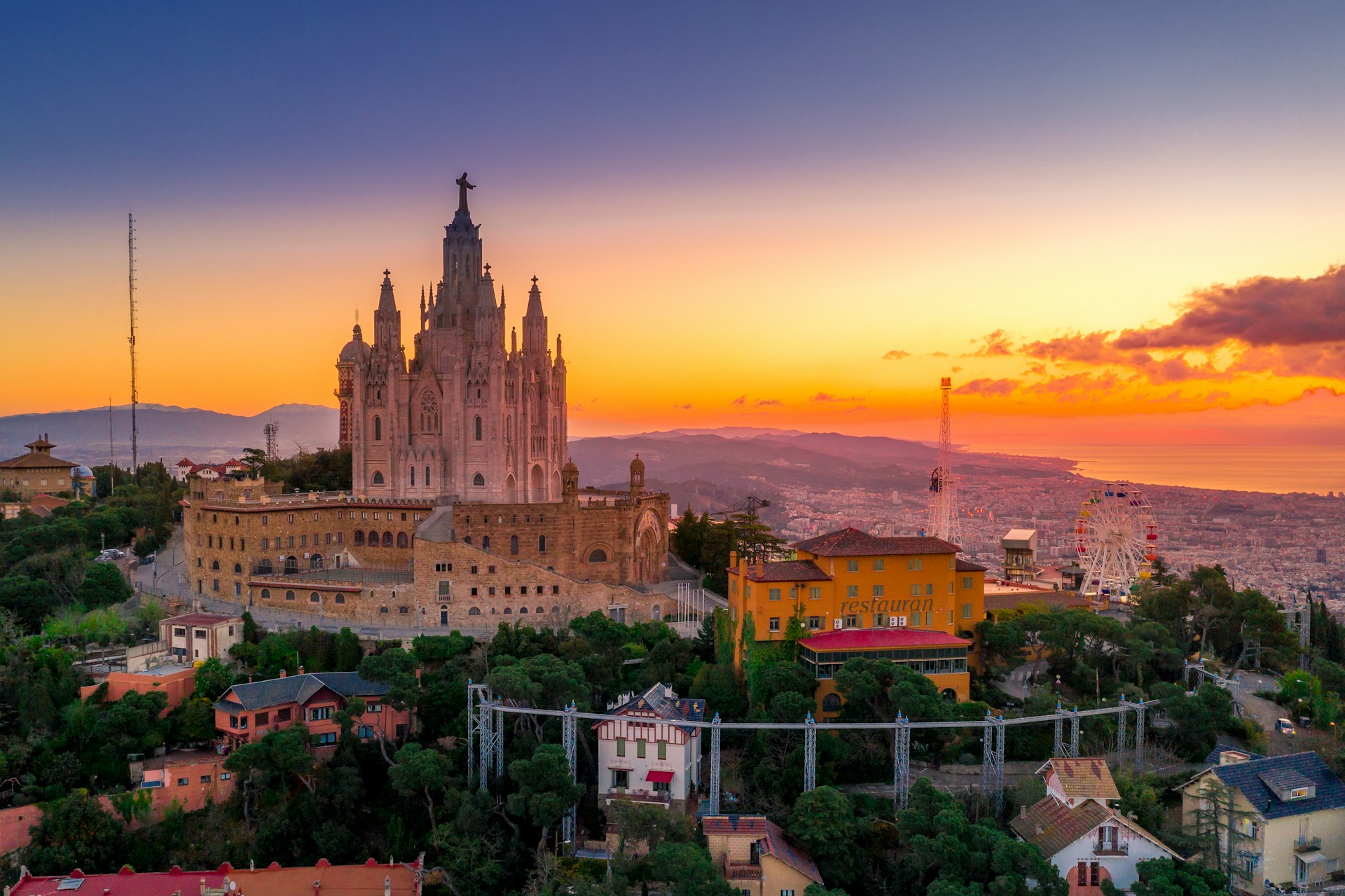
  • Ascend Tibidabo for panoramic views of the city and coastline.
  • Experience the vibrant atmosphere of Passeig de Gràcia's Modernista buildings.
  • Discover the Picasso Museum in El Born.

For those seeking Barcelona Sustainable Travel, the Catalan capital offers a layered experience, where historic grandeur meets innovative urban planning and a profound appreciation for local identity. This Mediterranean city stands apart with its distinctive Modernista architecture, particularly the organic forms of Antoni Gaudí, alongside a rich cultural fabric that celebrates art, design, and a connection to the sea. Barcelona consistently works towards a balanced coexistence between its lively local community and its draw as a popular travel destination, making it a compelling choice for thoughtful exploration.

Discovering Barcelona's Unique Charms

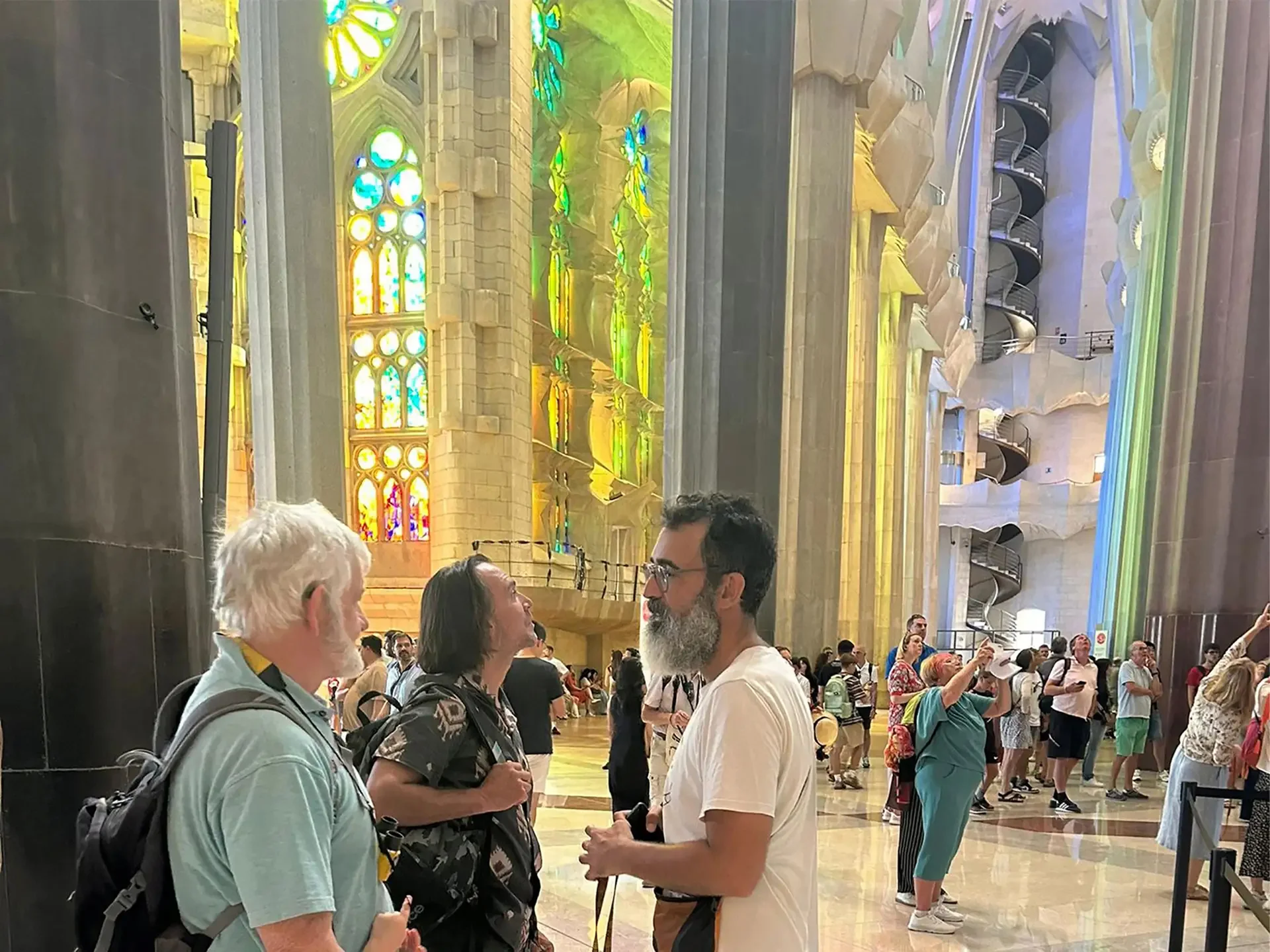
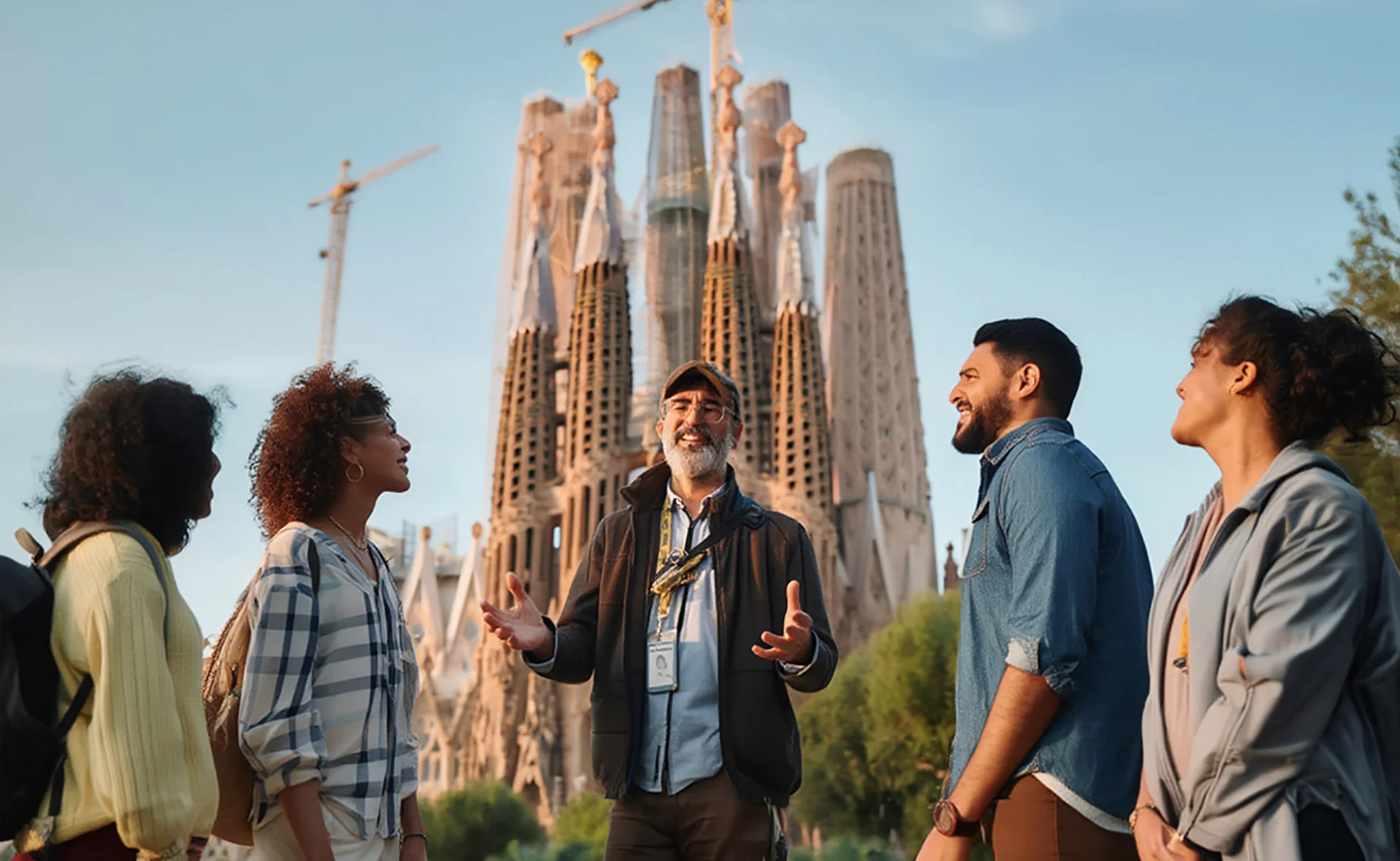
Barcelona's architectural landscape is profoundly shaped by the genius of Antoni Gaudí, whose unfinished masterpiece, the Sagrada Família, commands attention with its intricate façades and soaring spires. This basilica, a UNESCO World Heritage site, is a testament to natural forms and spiritual symbolism, drawing visitors to marvel at its ongoing construction and detailed artistry. Beyond Gaudí, the Eixample district reveals a grid-patterned urban design, characterized by elegant Modernista buildings, wide avenues like Passeig de Gràcia, and octagonal blocks that enhance light and ventilation. It is here that grand residential buildings showcase a variety of architectural styles, offering a glimpse into the city's turn-of-the-century opulence.

Wandering through the narrow, winding alleys of the Gothic Quarter, travelers encounter centuries of history embedded in its stone walls. Roman ruins, medieval cathedrals such as the Barcelona Cathedral, and atmospheric squares like Plaça Reial create a sense of timelessness. This district, the city's historic core, invites slow exploration, revealing hidden courtyards and artisan workshops. For a contrasting experience, the former fishing village of Barceloneta offers a lively beach scene and an opportunity to enjoy the Mediterranean coast. Planning your journey thoughtfully allows for deeper engagement; Barcelona tours can connect you with local insights and less-traveled paths, ensuring a richer appreciation of the city's diverse areas.

Embracing Sustainable Exploration in Barcelona

Barcelona is actively addressing the challenges of urban sustainability and overtourism, making it an excellent destination for those interested in responsible travel. The city has implemented extensive bicycle lanes and a widespread public bike-share program, Bicing, encouraging residents and visitors alike to choose active transport. Efforts to promote local consumption are evident in places like the Mercat de Sant Antoni, which offers a comprehensive range of fresh produce, meats, and seafood from Catalan producers, supporting the regional economy and reducing food miles. Engaging with such local initiatives provides a direct way to contribute to the city’s sustainable future and experience genuine Barcelona life.

Choosing Barcelona Sustainable Travel means prioritizing experiences that benefit the local community and minimize environmental impact. The city's commitment to green spaces, like Parc de la Ciutadella and Montjuïc, provides urban oases for relaxation and recreation. Barcelona also champions eco-friendly practices in its hospitality sector and continually innovates in waste management and renewable energy projects. For more details on the city’s vision and initiatives, resources like Barcelona Turisme offer valuable information for planning an enriching and considerate visit, reinforcing the city's dedication to preserving its charm for future generations.

This guide delves into Barcelona's distinct neighborhoods, culinary traditions, and cultural practices, offering practical tips for navigating the city responsibly. Plan your Barcelona Sustainable Travel experience to uncover the authentic rhythm of this remarkable Mediterranean metropolis.
When to Visit

When to Visit Barcelona

For a balance of pleasant weather, manageable crowds, and reasonable prices, the best time to experience Barcelona Sustainable Travel is during spring (April-May) or early autumn (September-October). In spring, temperatures range from 15-22°C, ideal for comfortable exploration, with cultural events like Sant Jordi in April. Accommodation and flights are generally more accessible than peak summer. Early autumn offers similar conditions with temperatures around 18-25°C, and events like the La Mercè festival in September, though this month can still be busy. Summer (June-August) is hot and very crowded, while winter (November-March) is mild but quieter. A first-time visitor will find April and May particularly rewarding for comfortable exploration.

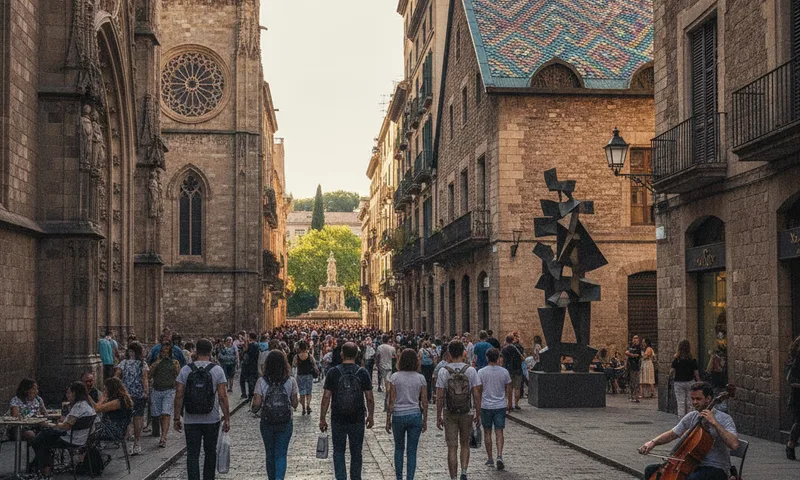
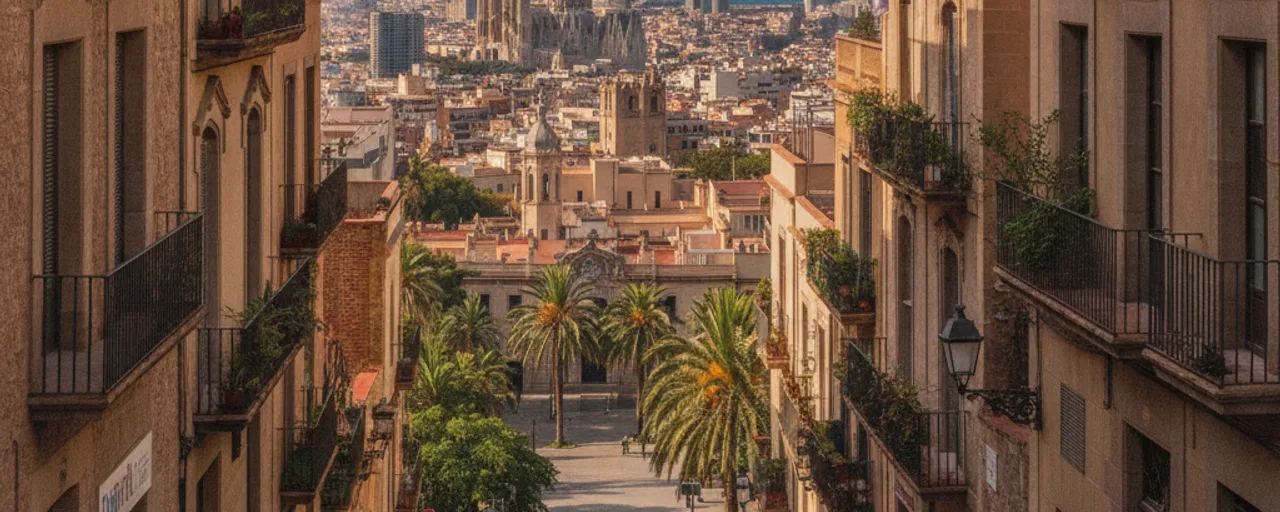
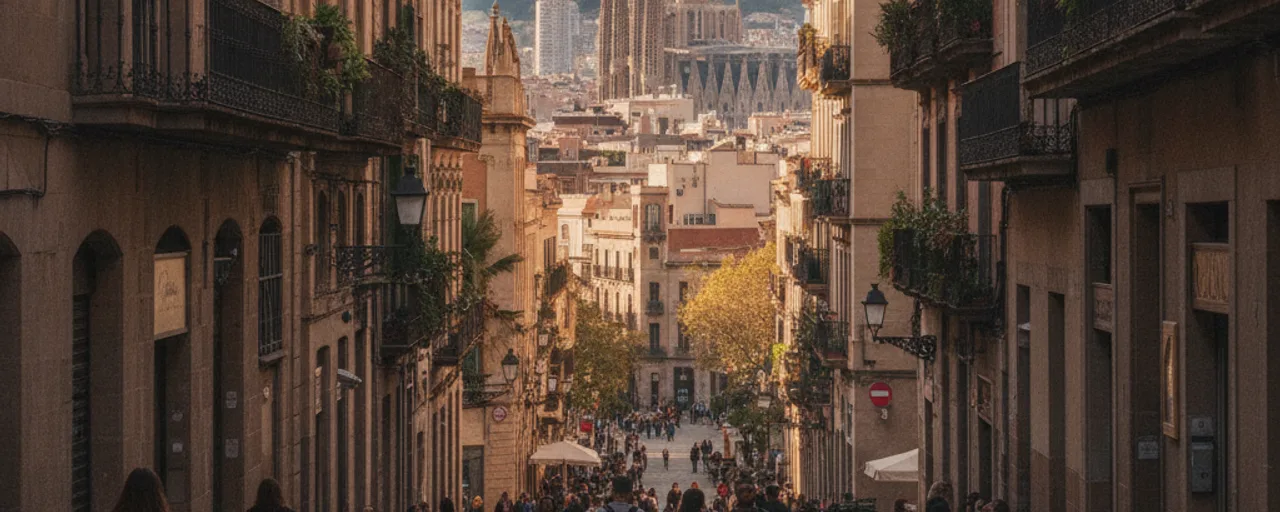
Historic Barcelona street bustling with pedestrians, featuring traditional architecture and distant Sagrada Familia, ideal for sustainable travel.

Experience the golden hour charm of Barcelona's vibrant streets. This detailed view captures pedestrians exploring historic buildings with ornate balconies, street lamps, and the iconic Sagrada Familia subtly in the distance, emphasizing a walkable, sustainable journey through the city's heart.

Barcelona experiences a Mediterranean climate with distinct seasons. Summers, from June to September, are warm to hot, averaging 25–30°C, often humid, making July and August the busiest and warmest months. Spring (April–May) and Autumn (October–November) offer pleasant mild temperatures, typically 15–22°C, with comfortable sunshine and less rainfall, making them ideal for exploring. Winters (December–March) are cool but generally mild, ranging from 8–15°C, with occasional rain but rarely snow. For sustainable travel and comfortable exploration, May and October are often considered the best months, avoiding the peak heat and crowds.

MonthHigh °CLow °CRain (mm)
January14°5°40
February15°6°35
March17°8°40
April19°10°45
May23°14°50
June27°18°30
July29°21°25
August29°21°40
September26°18°70
October22°14°90
November17°9°60
December14°6°45

Areas to Explore

Areas to Explore

El BornHistoric, artistic, lively

El Born

El Born is a vibrant historic district in Barcelona, characterized by its narrow medieval streets and artisanal shops. Travelers can explore independent boutiques along Carrer de la Princesa and discover cultural institutions. It's a prime location for those interested in art, history, and a lively atmosphere without relying on extensive transport, aligning with Barcelona sustainable travel principles. This area suits solo travelers, couples, and culture enthusiasts who appreciate walkability.

  • Picasso Museum
  • Santa Maria del Mar Basilica
  • Mercat de Santa Caterina
GràciaBohemian, Local, Pedestrian-friendly

Gràcia

Gràcia retains a distinct village atmosphere within Barcelona, characterized by its charming plazas and independent boutiques. Wander through Plaça del Sol or Plaça de la Vila de Gràcia, where locals gather for afternoon coffees and conversation. The area is largely pedestrian-friendly, making it ideal for those who prefer walking and exploring on foot. Its array of independent art galleries, vegetarian eateries, and artisanal shops appeals to mindful travelers seeking a more relaxed, authentic local experience away from the busiest tourist spots.

  • Plaça del Sol
  • Plaça de la Vila de Gràcia
  • Casa Vicens

Getting Around

Getting Around

Barcelona boasts an efficient, interconnected public transport network, making Barcelona sustainable travel effortless. The city's extensive metro system, managed by TMB, features numerous lines like L1 (red) and L3 (green), connecting major attractions and neighborhoods. An integrated T-casual ticket costs approximately €12.15 for ten Zone 1 journeys, offering excellent value. TMB also operates a vast bus network, including night buses (Nitbus), while six tram lines (T1-T6) serve peripheral areas. For eco-conscious travelers, Barcelona offers the popular Bicing bike-share system for residents, complemented by many private bike rental shops for visitors. The city is also highly walkable, especially in areas like Barri Gòtic, further reducing the need for private vehicles. Overall, Barcelona's transport receives a high eco-friendly rating due to its comprehensive and well-utilized public options.

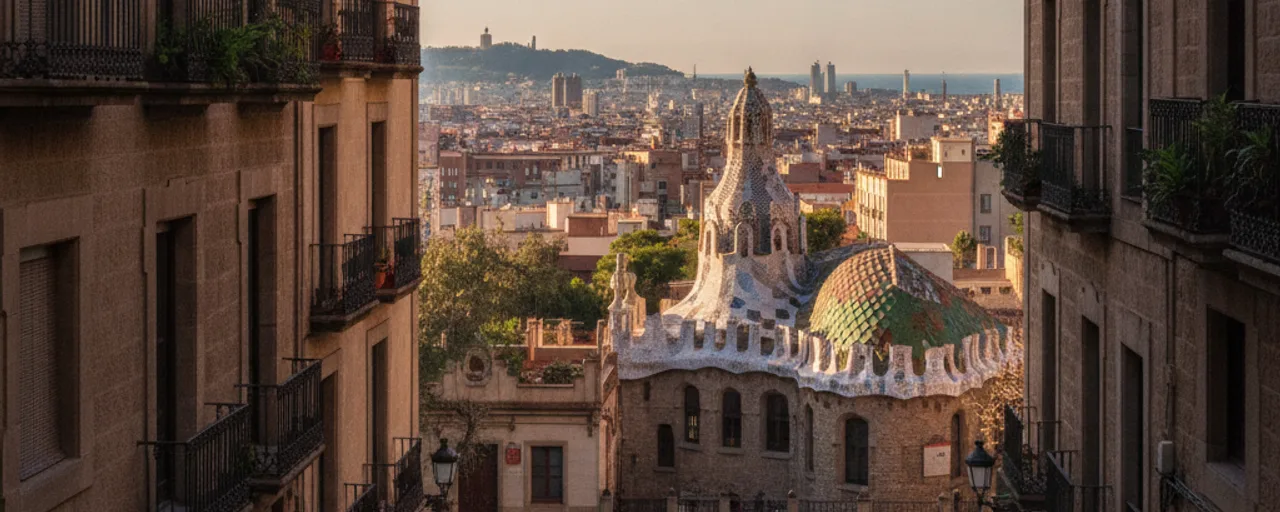
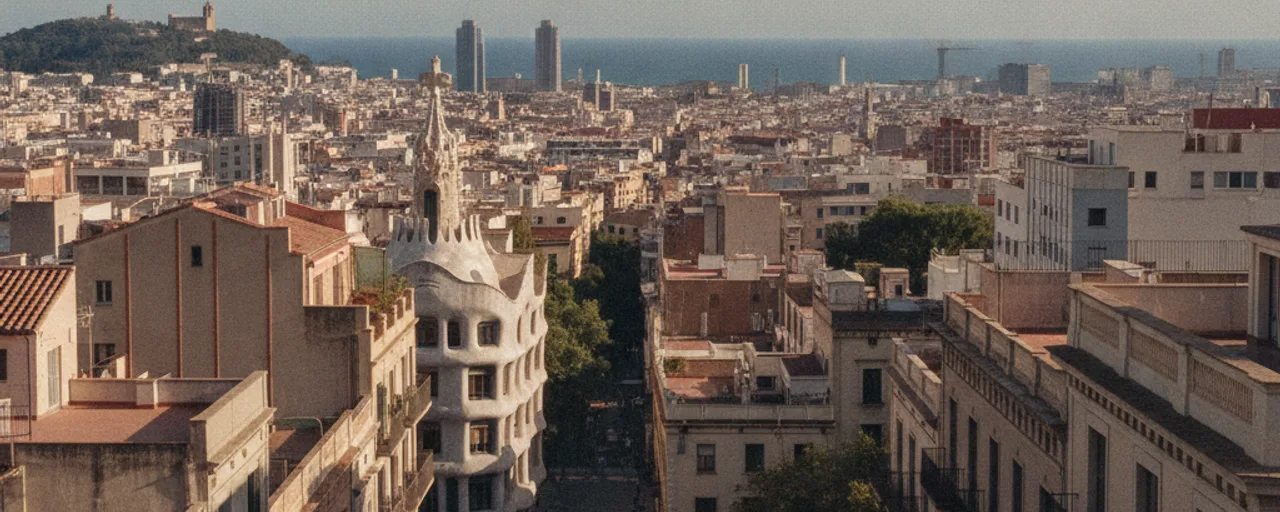
Barcelona's iconic architecture featuring a mosaic-tiled building with the cityscape and distant sea, inspiring sustainable travel.

Panoramic golden hour view of Barcelona, showcasing a distinctive tiled building and tower amidst traditional city blocks. The extensive cityscape stretches towards distant hills and the Mediterranean Sea, capturing the city's vibrant historical and environmental appeal for travelers seeking sustainable explorations.

Barcelona Metro

The Barcelona Metro provides an efficient and extensive network across the city, featuring 12 lines that connect key attractions and neighborhoods. A single ticket costs approximately €2.40, while a T-Casual multi-person ticket for 10 journeys is around €12.15, offering better value. As an electric-powered system, it stands as a highly eco-friendly option for getting around Barcelona.

low

Consider purchasing a T-Casual ticket from any metro station vending machine if you plan on making multiple journeys, as it significantly reduces the per-ride cost.

Bicing (Barcelona Bike Share)

Bicing is Barcelona's public bike-sharing service, offering both mechanical and electric bikes. It's an excellent way to navigate shorter distances, especially along the city's extensive network of bike lanes. A short-term pass (7 days) costs around "10", making it very cost-effective for eco-conscious exploration.

low

Download the official Bicing app to locate available bikes and docking stations easily, especially useful when returning a bike.

Eco Travel

Travel Sustainably

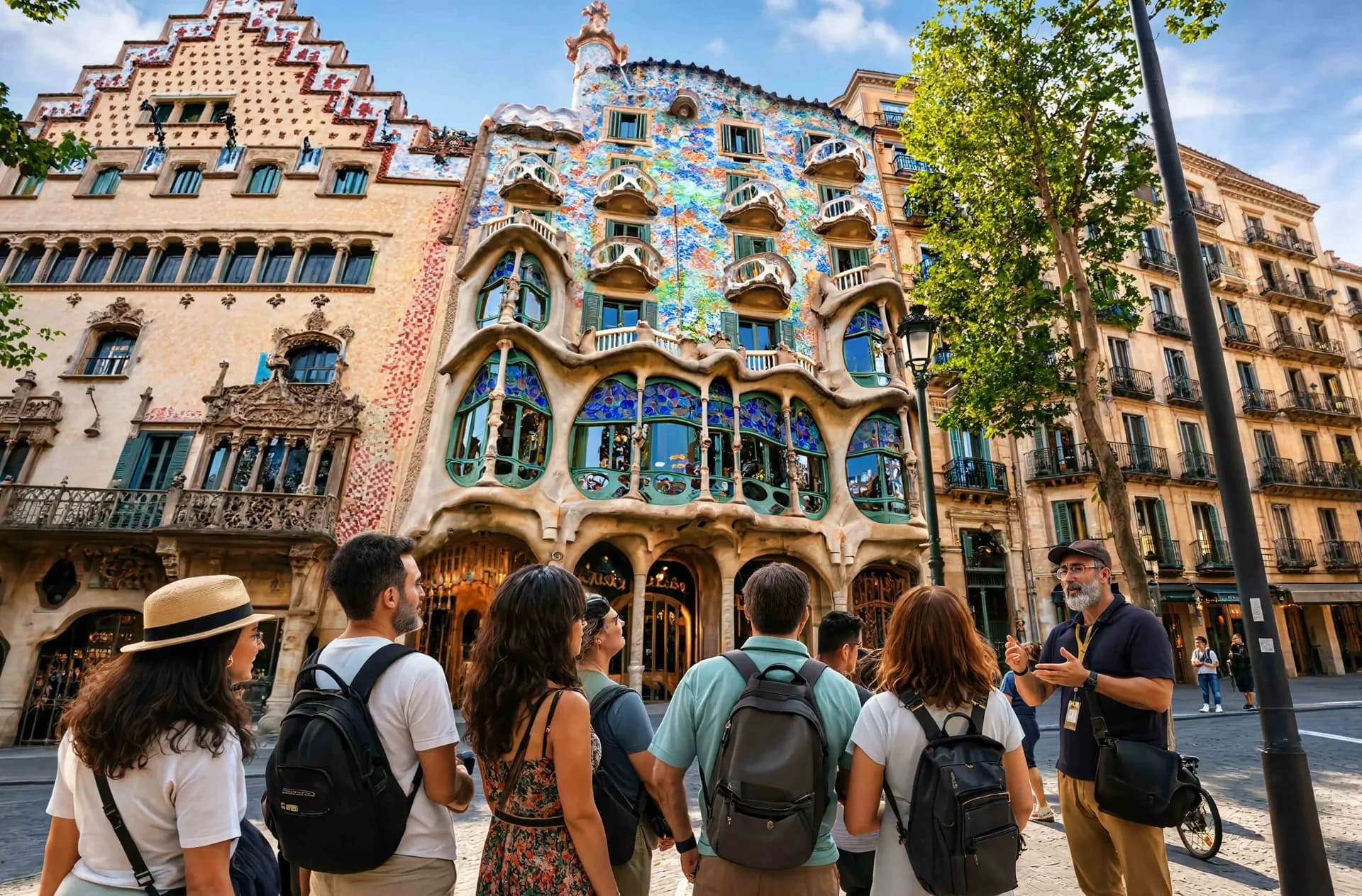
For Barcelona sustainable travel, Yovu encourages visitors to immerse themselves responsibly. Prioritise public transport, like the efficient Barcelona Metro system, over taxis to reduce your carbon footprint and experience daily life. Explore local markets such as Mercat de Sant Antoni for seasonal produce and artisan goods, supporting the local economy and reducing food miles. Opt for accommodations and tours that actively commit to ecological and social responsibility, looking for certifications or transparent practices. Consider joining a walking tour with operators like 'Barcelona Slow Travel' who focus on local stories and minimise environmental impact. By making conscious choices, you contribute positively to Barcelona's vibrant future.

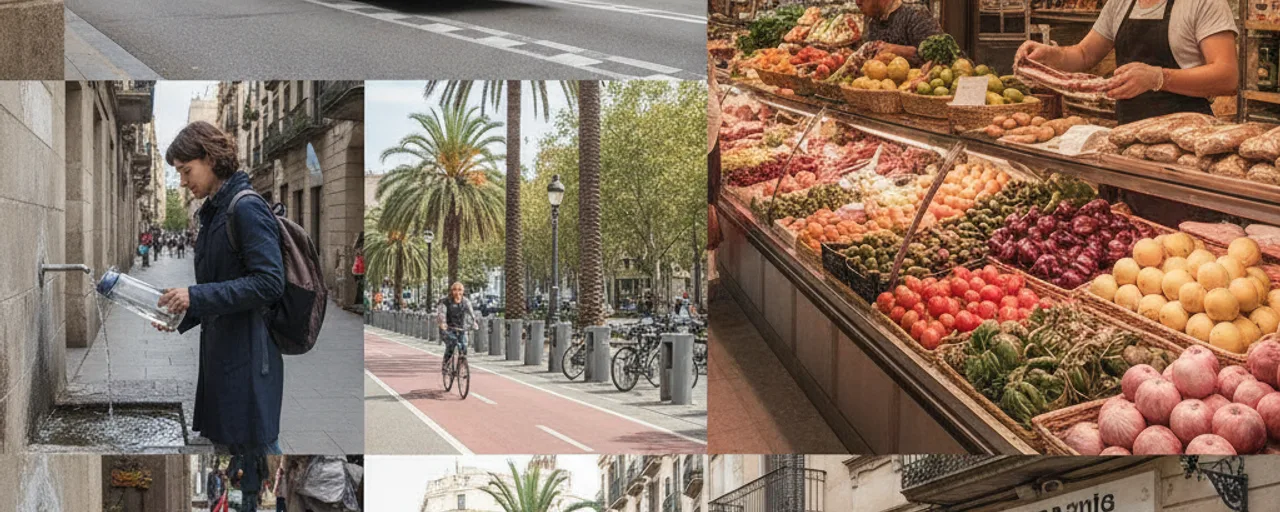
Barcelona sustainable travel: Woman refilling bottle at fountain, cyclist on path, and vibrant market with fresh produce.

This collage highlights eco-friendly activities in Barcelona, showing a traveler hydrating at a public fountain, a person cycling on a scenic path, and a bustling market brimming with colorful, fresh local produce. Captures the vibrant and sustainable spirit.

Use Barcelona's Extensive Public Transit

Navigate Barcelona using its efficient metro, bus, and tram network. The TMB system connects major attractions, reducing carbon emissions and traffic congestion compared to taxis or rental cars. Consider a Hola Barcelona Travel Card for unlimited, sustainable exploration of the city.

Carry a Reusable Water Bottle

Barcelona's tap water is safe to drink. Refill your bottle at public fountains or cafes, such as at Café Cometa in El Raval. This reduces reliance on single-use plastic bottles, lessening waste in a city that manages significant tourism-related refuse.

Travelling to Barcelona, even from major European hubs like London or Berlin, carries an average flight emission of 0.1-0.3 tonnes of CO2 per passenger. Long-haul flights from New York or Tokyo can exceed 1 tonne. To address this, consider offsetting your emissions through certified projects focusing on renewable energy or reforestation. Yovu supports your Barcelona sustainable travel by highlighting local operators committed to reducing their footprint, offering eco-certified accommodations, and promoting experiences that minimize environmental impact, helping you make informed choices beyond flight emissions.

Learn more about our green initiatives

Culture

Local Culture

Barcelona's culture is steeped in Catalan identity, which, while part of Spain, boasts unique traditions. A notable custom is Sant Jordi on April 23rd, Catalonia's Day of the Book and the Rose, when La Rambla and other streets fill with stalls as people exchange books and roses. This celebrates love and literature rather than romantic relationships exclusively. Another highlight is La Mercè, Barcelona’s main annual festival in late September, featuring traditional Catalan expressions like the *castells* (human towers) in Plaça de Sant Jaume and the thrilling *Correfoc* (fire run). Visitors should also note the later dining hours; dinner often begins around 9:00 PM, reflecting a leisurely social rhythm.

Daytime view of Barcelona cityscape, featuring Gaudi's Casa Milà, rooftops, and the Mediterranean Sea, ideal for sustainable travel.

Daytime panoramic view of Barcelona. Gaudi's iconic Casa Milà (La Pedrera) is prominent among city rooftops, with the Mediterranean Sea and distant hills visible. Captures the city's unique charm and architectural splendor.

Later Dining Hours

In Barcelona, dinner is typically a later affair, often starting from 9 PM onwards. Many locals will eat even later, around 10 PM. To blend in, plan your evening meals after 9 PM. If you try to eat a full dinner at 7 PM, you might find many establishments closed or only serving tapas. This later schedule reflects a cultural emphasis on socializing in the evening after work and a general slower pace of life.

high

Greeting Customs

In Barcelona, it's common to greet with two kisses (dos besos) on the cheek, starting with the right cheek, when introduced to women or between male and female friends. Men typically shake hands. Do: Offer your cheek when meeting a local woman. Don't: Offer a formal handshake to a woman unless she initiates it. This custom reflects the generally warm and personal nature of social interactions.

high

Food & Drink

Food & Drink

Barcelona's culinary scene offers a delightful journey through Catalan flavors, prioritizing fresh, seasonal ingredients from the Mediterranean Sea and nearby farms. A quintessential local staple is *Pa amb tomàquet* (bread with tomato), which you’ll find on almost every table in traditional *fondas* or modern tapas bars throughout areas like Gràcia or Sant Antoni. For a heartier taste of Catalonia, seek out *Botifarra amb mongetes*, a savory sausage with white beans, commonly served in neighborhood *restaurants catalans*. Seafood enthusiasts should try *Fideuà*, a delicious noodle dish akin to paella, often featuring prawns and squid, best savored in Barceloneta's beachfront eateries. Complement any meal with a glass of crisp *Cava*, the region's sparkling wine from Penedès, widely available in bars across the city.

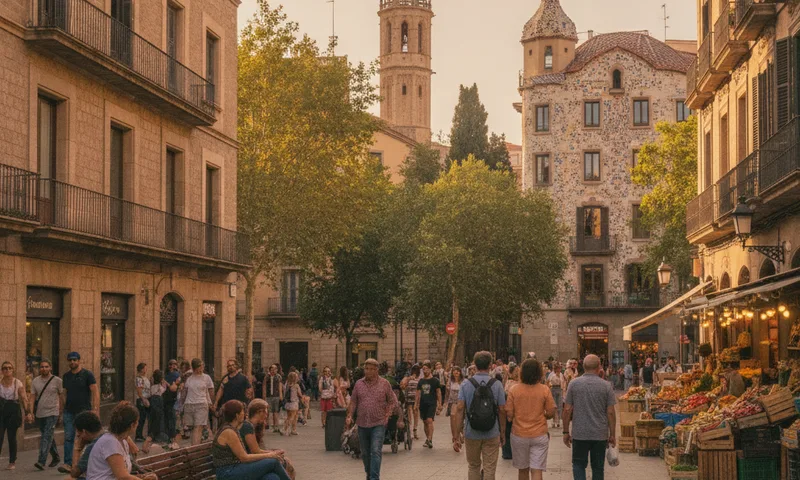
Charming Barcelona street vista with palm trees, historic architecture, and distant city views, reflecting sustainable travel.

A picturesque, sun-drenched street scene in historic Barcelona, featuring ornate balconies with greenery and lush palm trees. The pedestrian area leads towards the bustling city skyline, with Sagrada Familia faintly visible, capturing the vibrant atmosphere of sustainable urban exploration.

Patatas Bravas

Crispy fried potato cubes served with two distinct sauces: a spicy, smoky bravas sauce typically made with paprika and sometimes a touch of chili, and a creamy garlic aioli. This popular tapa offers a comforting mix of textures and bold flavors. Find them in nearly every tapas bar across Barcelona, from traditional spots in El Born to modern eateries in Eixample.

Vegetarian. Gluten-free if sauces are prepared without wheat (ask).

Pan con Tomate

Pan con Tomate (or Pa amb tomàquet in Catalan) is a deceptively simple yet fundamental dish. Crusty bread is lightly toasted, then rubbed with ripe tomato, drizzled with olive oil, and seasoned with salt. It offers a fresh, savory taste with a slightly acidic tang and a satisfying textural contrast. Found on almost every menu, it's a staple for breakfast, an accompaniment to any meal, or a simple tapa in traditional bodegas and tapas bars across Barcelona.

Vegetarian, vegan-friendly

Calçots with Romesco Sauce

A winter and early spring delicacy, calçots are mild, sweet green onions grilled over an open flame until tender and slightly charred. They are traditionally dipped in a rich romesco sauce, made from roasted tomatoes, ñora peppers, garlic, nuts, and olive oil. Find this iconic Catalan experience at seasonal 'calçotades' or traditional restaurants in Barcelona from January to April.

Vegetarian

Essentials

Essential Information

Visa Requirements

For citizens of the European Union, European Economic Area, and Switzerland, no visa is required to enter Spain for any length of stay, only a valid ID card or passport. US and UK citizens can typically visit Spain for up to 90 days within a 180-day period without a visa for tourism or business purposes. However, from mid-2025, non-EU citizens, including those from the US and UK, will need to apply for an ETIAS (European Travel Information and Authorisation System) authorization before travel. All other nationalities should check specific visa requirements based on their country of origin. Always verify current regulations with the Spanish Embassy or Consulate in your country before planning your [Barcelona Sustainable Travel](/destinations/barcelona) trip.

Health & Safety

Barcelona's tap water is safe to drink, though many visitors opt for bottled water due to taste preferences. Standard vaccinations are sufficient for travel to Spain; no additional specific immunizations are typically recommended. The primary safety concern for visitors is petty theft. Be particularly vigilant against pickpocketing in crowded areas like La Rambla, Sagrada Família, and on public transport. Keep valuables secure and avoid displaying expensive items. Spain's general emergency number, 112, can be used for police, fire, or medical assistance. For non-emergencies, contact the local police directly.

Emergency Numbers

Police

112

Ambulance

112

Fire

112

Embassy: Check your home country's embassy website for local Barcelona contact details.

Ready to Explore Barcelona?

Sustainable tours with verified local operators. Small groups, real impact.