Oslo

Oslo, Norway: Your Sustainable Travel Guide

Oslo offers a compact urban experience where innovation meets nature, making Oslo sustainable travel a seamless journey into Scandinavian green living.

Oslo: A green capital where urban design meets fjord and forest, perfect for sustainable travel.
Norway

Overview

About Oslo

Oslo Sustainable Travel offers a chance to explore a city where nature and urban living intertwine seamlessly. This Norwegian capital consistently ranks among Europe's greenest cities, celebrated for its accessible public transport, expansive parks like Frogner Park, and a deep commitment to environmental stewardship. Travelers seeking eco-conscious experiences will find a wealth of options, from fjord adventures to innovative dining. This guide will help you navigate Oslo responsibly, uncovering its unique blend of culture, history, and green initiatives.

Top Highlights

  • Explore the vibrant street art of Grünerløkka.
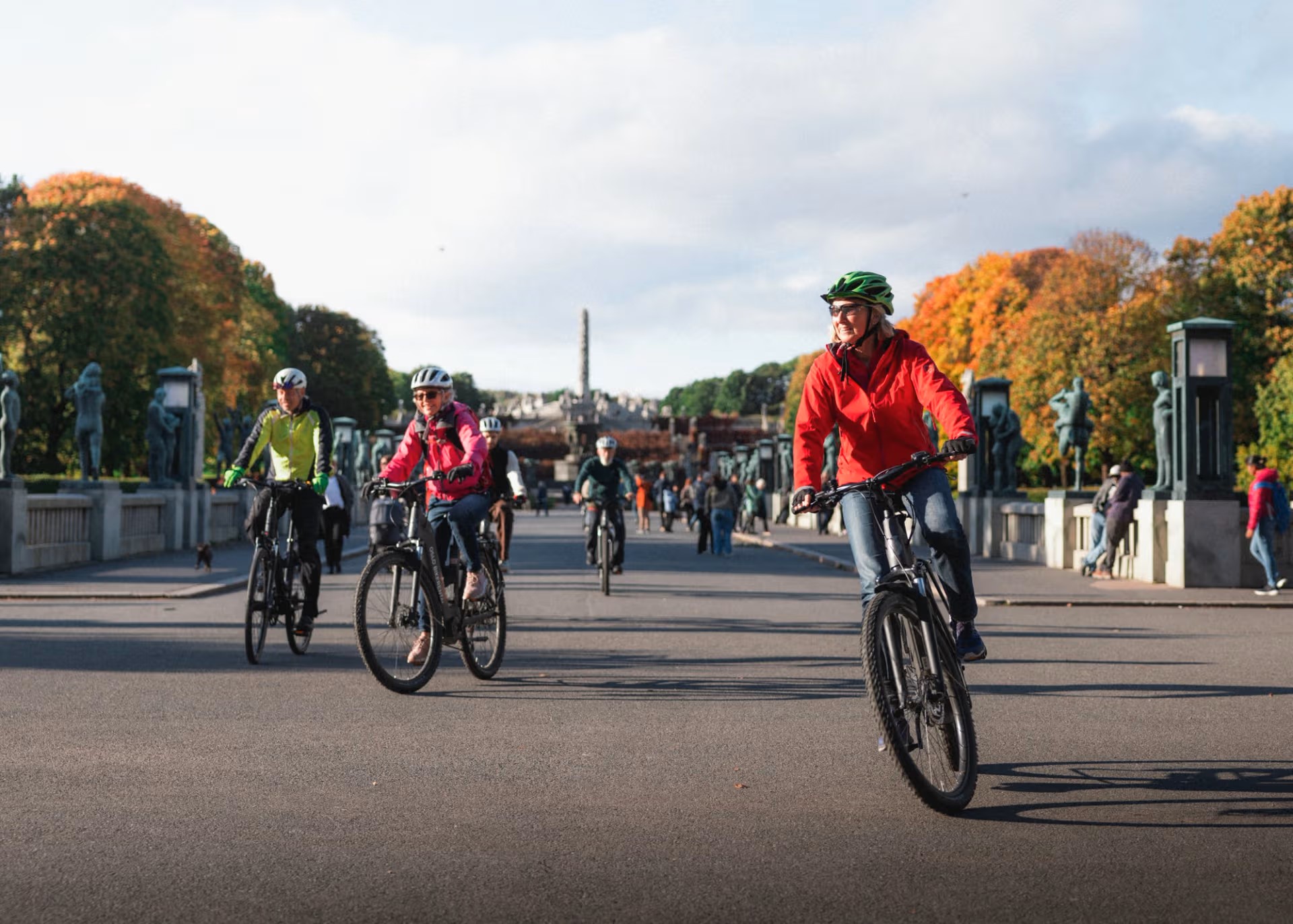
  • Wander through Vigeland Sculpture Park, a unique open-air museum.
  • Kayak on the Oslo Fjord with a focus on local marine life.
  • Visit the Munch Museum to see "The Scream" and other masterpieces.
  • Discover Norwegian folk traditions at the Norsk Folkemuseum.
  • Enjoy a sauna ritual at SALT art & music village by the fjord.
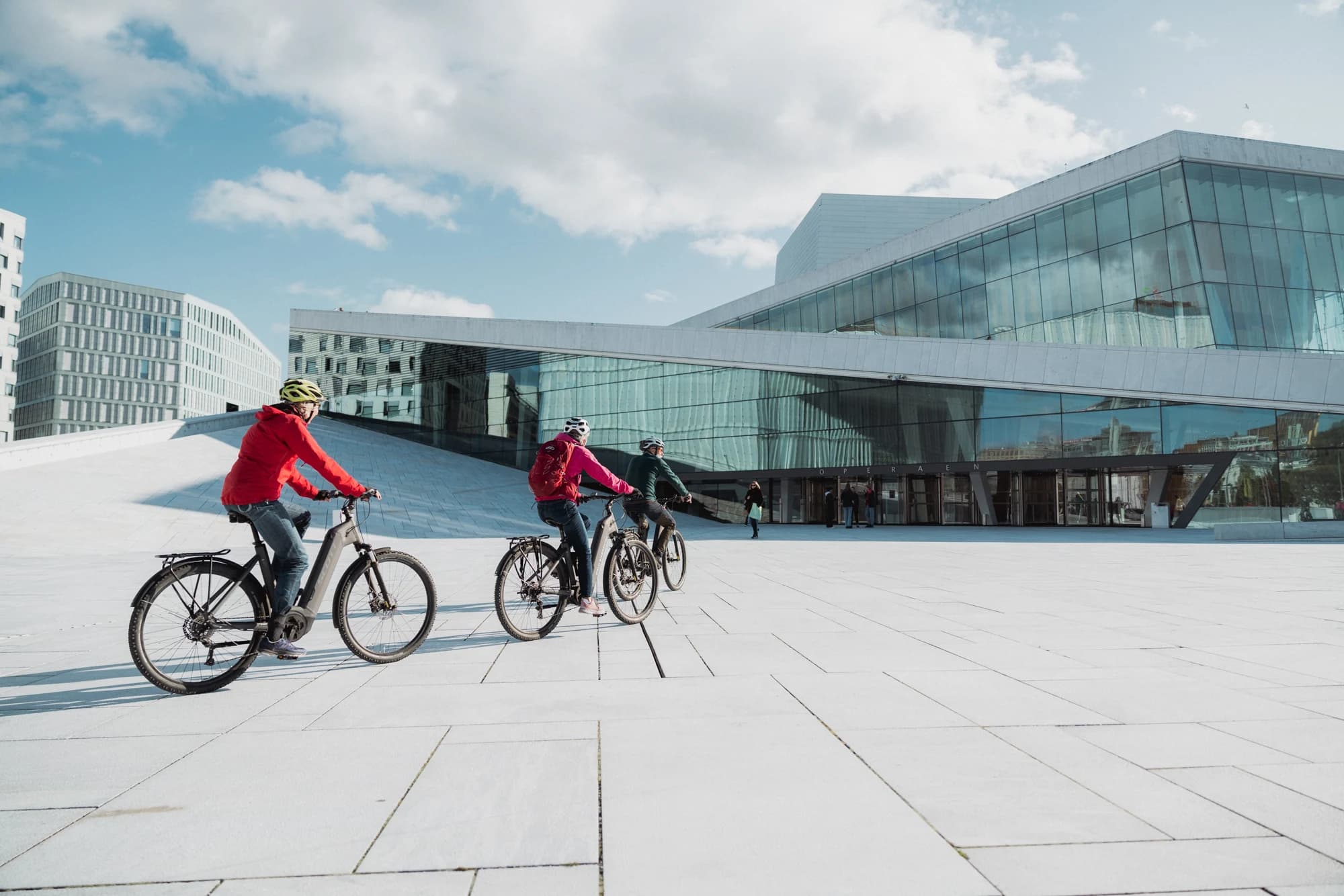
  • Cycle the scenic car-free paths of Bygdøy peninsula.

Oslo Sustainable Travel offers a unique opportunity to explore a capital where urban innovation meets accessible natural beauty. Framed by the Oslofjord and verdant forests, Norway’s capital prioritizes environmental stewardship while maintaining a relaxed, sophisticated atmosphere. It’s a city that seamlessly blends contemporary design with deep historical roots, inviting visitors to experience its forward-thinking approach to life. This guide will help you navigate Oslo with a focus on its green initiatives and rich cultural offerings.

Exploring Oslo’s Urban and Natural Harmony

Oslo provides a refreshing blend of metropolitan culture and immediate access to the outdoors, making it ideal for those seeking both exploration and tranquility. The city’s commitment to green spaces is evident everywhere, from the sculpture-filled pathways of Vigeland Park, showcasing Gustav Vigeland's compelling works, to the tranquil islands just a short ferry ride into the Oslofjord. These natural escapes are integrated into daily life, encouraging residents and visitors alike to connect with their surroundings. The city's efficient public transport system further facilitates easy movement between its core and these accessible natural areas.

Beyond its natural beauty, Oslo boasts a dynamic waterfront. The revitalized Aker Brygge district, once a shipyard, is now a lively area lined with public promenades, art installations, and architectural marvels. It’s a prime example of urban regeneration, where people gather to enjoy the waterfront views, dine, or simply stroll by the marinas. This area, alongside Bjørvika with its iconic Opera House, exemplifies Oslo’s modern architectural ambition and its dedication to public access along the fjord. Discover more about what to do in the city by exploring Oslo tours that highlight these distinctive areas.

Embracing Responsible Journeys in Oslo

For travelers keen on minimizing their environmental footprint, Oslo Sustainable Travel aligns perfectly with the city's strong eco-conscious ethos. Oslo was named European Green Capital in 2019, a testament to its dedication to reducing emissions, preserving biodiversity, and investing in green infrastructure. This commitment is reflected in its extensive network of electric public transport, cycling infrastructure, and emphasis on local, seasonal produce. Visitors can easily participate in these efforts by choosing sustainable accommodation and using shared transport.

A key part of Oslo’s culinary and community scene that embodies its values is Mathallen Oslo. This indoor food hall in the Grünerløkka district gathers independent producers and eateries, offering a wide array of Norwegian and international specialties with an emphasis on quality and local sourcing. It's an excellent place to support local businesses and sample authentic flavors, reflecting the city’s preference for quality ingredients and reducing food miles. To learn more about Oslo's efforts and attractions, consult the official city portal: Visit Oslo.

This guide offers practical insights for planning your visit, from understanding local customs to navigating public transport, ensuring your Oslo experience is both enriching and responsible. Prepare to immerse yourself in a city that truly lives its commitment to a greener future.
When to Visit

When to Visit Oslo

Oslo truly comes alive from **June to July**. These summer months offer long daylight hours, with pleasant temperatures typically ranging from 15-25°C, perfect for enjoying outdoor cafes, island hopping in the Oslofjord, and festivals like the Oslo Mela. While this is peak season, leading to higher prices and larger crowds, the vibrant atmosphere and full accessibility of attractions make it ideal for a first-time visitor. For a quieter trip with beautiful autumn foliage and crisp air, **September** also presents an excellent window before winter's chill and reduced daylight hours.

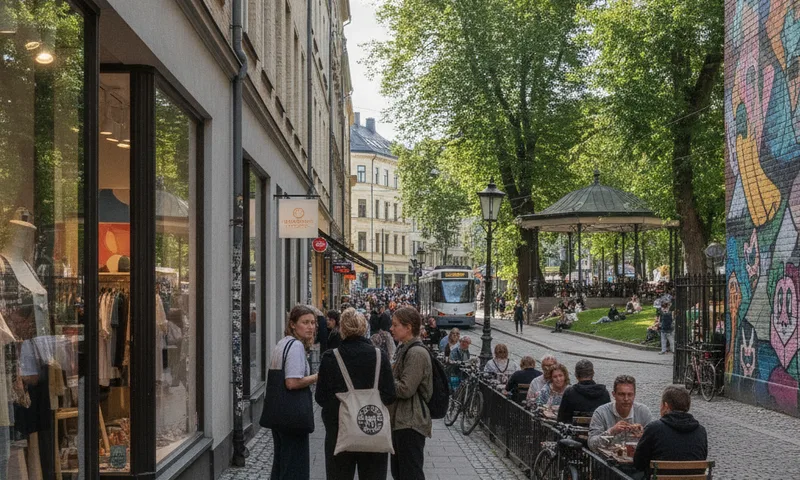
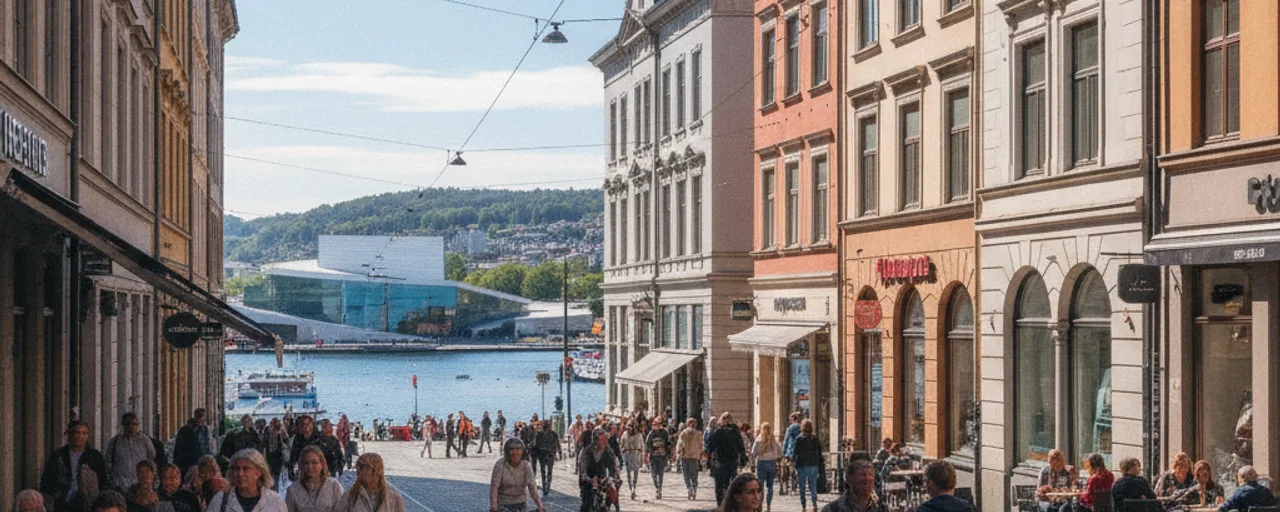
Bustling Oslo street with historic buildings, pedestrians, and the waterfront in the background, promoting Oslo sustainable travel.

A bustling street in central Oslo on a sunny day, with pedestrians, charming historic buildings, and lively outdoor cafes. The iconic Oslo Opera House and serene fjord provide a stunning backdrop, capturing the city's vibrant urban appeal.

Oslo experiences distinct seasons. Summers, from June to August, are mild and pleasant, with average temperatures between 15-22°C, offering long daylight hours ideal for exploring the Oslofjord or Frogner Park. This period is generally considered the best time to visit. Spring, in April and May, sees temperatures rise from 0-10°C as snow melts and nature awakens. Autumn, spanning September and October, brings crisp air and vibrant foliage, with temperatures ranging from 5-15°C before the colder weather sets in. Winters, from November to March, are cold and often snowy, with average temperatures frequently below 0°C, sometimes dropping to -10°C or lower. While beautiful for winter sports, the short daylight hours and cold conditions make December to February the most challenging months for general sightseeing.

Best months to visitMay to September
Jan
Feb
Mar
Apr
May
Jun
Jul
Aug
Sep
Oct
Nov
Dec
Best timeOff-peak
MonthHigh °CLow °CRain (mm)
January0°-5°40
February0°-5°30
March4°-2°40
April10°2°40
May16°7°50
June20°11°70
July22°13°80
August20°12°90
September15°8°70
October9°4°80
November4°0°70
December1°-3°50

Areas to Explore

Areas to Explore

GrünerløkkaTrendy, creative, relaxed

Grünerløkka

Grünerløkka, once an industrial area, has transformed into a vibrant and creative hub in Oslo. Its streets, particularly around Thorvald Meyers gate and Markveien, are lined with independent boutiques, vintage stores, and an array of cafes and eateries. Birkelunden Park often hosts markets and events, adding to the area's community feel. This district appeals to those who enjoy sustainable shopping, exploring local art, and a relaxed, urban atmosphere. It is ideal for young travelers, foodies, and anyone looking for a lively, walkable part of the city.

  • Explore independent boutiques on Markveien
  • Relax at Birkelunden Park
  • Discover street art throughout the neighborhood
Aker BryggeModern waterfront dining

Aker Brygge

Aker Brygge offers a modern waterfront experience, transformed from a former shipyard into a vibrant hub. Stroll along the bustling boardwalk, explore the architecture, and find numerous cafes and restaurants with views of the Oslofjord. The area is particularly appealing for those interested in contemporary design, dining, and enjoying the city's connection to the water. Visitors focused on Oslo sustainable travel appreciate its pedestrian-friendly layout and easy access to public transport for exploring the city responsibly.

  • Astrup Fearnley Museum of Modern Art
  • Fjord promenade walk
  • Boat tours from the piers
FrognerElegant, green, cultured

Frogner

Frogner offers an elegant and tranquil experience, characterized by its stately architecture and expansive green spaces. Travelers seeking a more refined atmosphere will appreciate strolling along Bygdøy allé, admiring the embassy buildings, or exploring the vast grounds of Frogner Park. This area is ideal for families, art enthusiasts, and those looking for peaceful walks away from the city's more bustling areas, while still being easily accessible for exploring Oslo Sustainable Travel options.

  • Vigeland Sculpture Park
  • Frogner Park
  • Bygdøy allé

Getting Around

Getting Around

Oslo boasts an extensive and highly efficient public transportation network managed by Ruter, making [Oslo Sustainable Travel] easy. The T-bane metro system connects the city, while numerous tram lines (such as the 12 and 19) and electric buses reach almost every corner. A single adult ticket costs 42 NOK, valid for one hour, or consider a 24-hour pass for 126 NOK for unlimited travel. Tickets are easily purchased via the Ruter app. For exploring at a slower pace, Oslo Bysykkel, the city's bike-share scheme, offers convenient rentals throughout central areas. With a strong emphasis on electric vehicles and renewable energy for its metro and trams, Oslo's public transport system is exceptionally eco-friendly, earning a top rating.

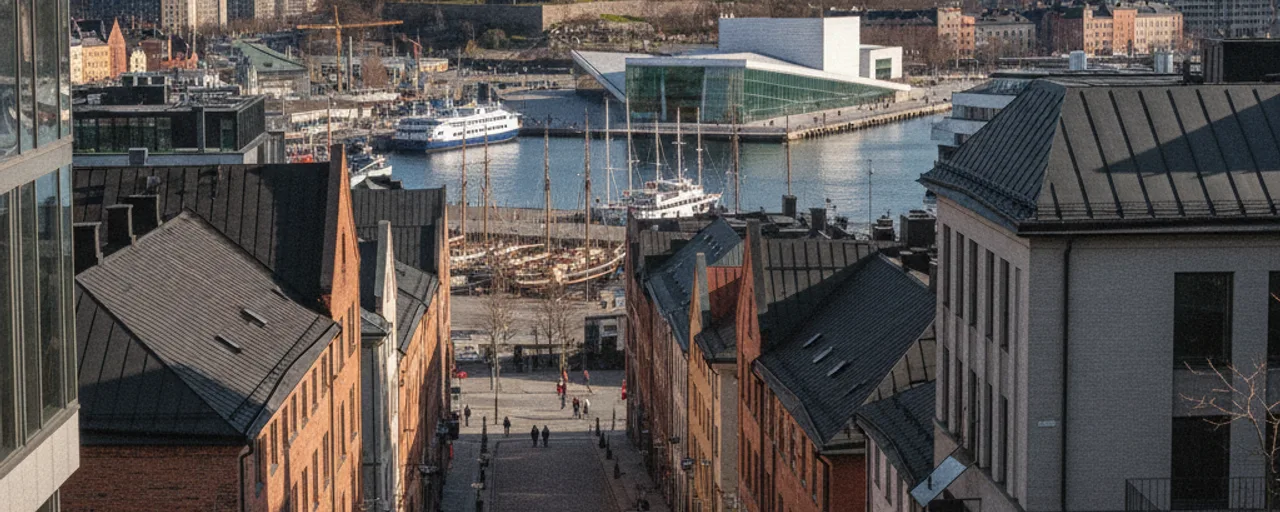
Elevated view of Oslo's harbor: Opera House, ferry, traditional buildings and a lively street, reflecting Oslo sustainable travel options.

An elevated panorama of Oslo's diverse cityscape on a sunny day. The modern Oslo Opera House and a ferry stand on the sparkling waterfront, contrasting with the historic brick buildings that line a lively, pedestrian-friendly street, showcasing the city's blend of culture and sustainable urban living.

Eco Travel

Travel Sustainably

Oslo is a leader in urban sustainability, making it an excellent destination for responsible travelers. Embrace low-impact travel by prioritizing its extensive public transport network, Ruter. Purchase an Oslo Pass for unlimited travel on trams, buses, and ferries, and explore districts like Grünerløkka on foot or by renting an electric bike. Choose restaurants focusing on seasonal, local ingredients, perhaps sourcing from places like Mathallen food hall. Minimize waste, conserve water, and respect Norway's 'allemannsretten' (right to roam) when enjoying nature in areas like the Oslofjord islands. By booking experiences with Yovu-verified operators in Oslo, you support businesses committed to environmental protection and social responsibility, ensuring your visit contributes positively to this green capital.

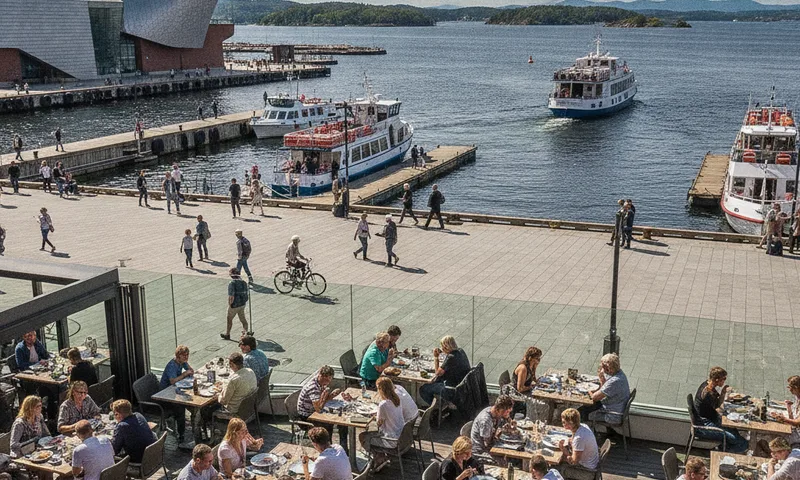
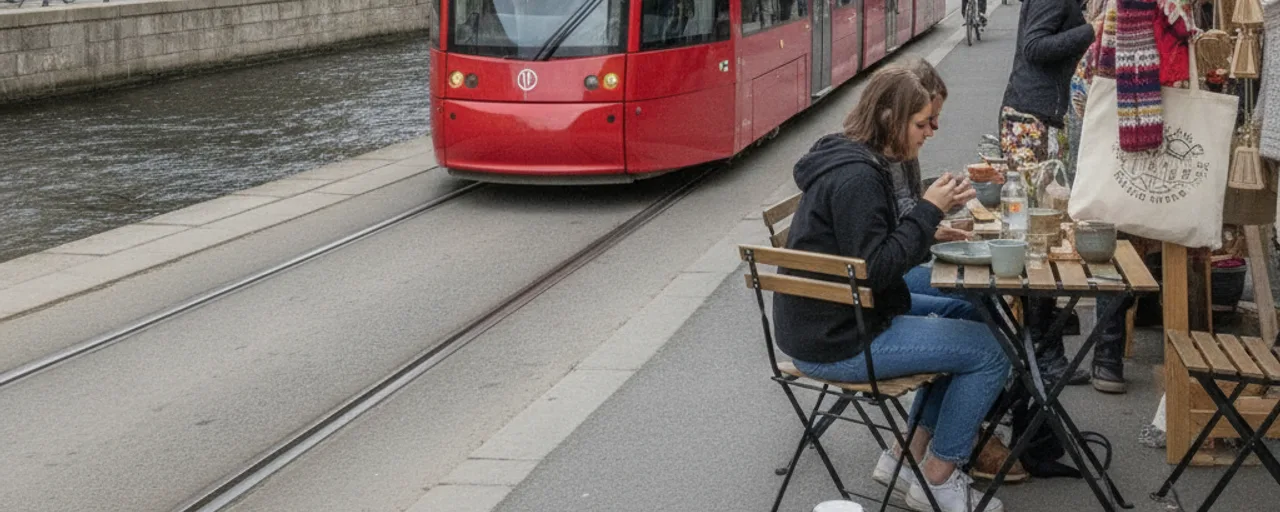
Tourists enjoy an outdoor cafe meal beside a canal in Oslo, with a red tram passing by, embodying Oslo sustainable travel.

Two visitors enjoy a casual outdoor meal at a canal-side cafe in Oslo, near a vibrant local market stall. A modern red tram glides past on its tracks, showcasing the city's integrated urban and relaxed lifestyle.

Use Oslo's Efficient Public Transport

Oslo's Ruter public transport network covers the city by bus, tram, metro, and ferry. Opting for a 24-hour or 7-day Ruter ticket reduces CO2 emissions and urban congestion, helping maintain Oslo's clean air and quiet city experience.

Choose Sustainable Dining in Oslo

Oslo boasts a thriving scene for locally sourced food. Prioritizing restaurants using Norwegian ingredients supports regional farmers and reduces transportation emissions. Look for establishments around Mathallen Oslo or in Grünerløkka that highlight seasonal produce to taste authentic flavors responsibly.

Carry a Reusable Water Bottle

Oslo boasts some of the cleanest tap water globally. By carrying a refillable bottle, you avoid purchasing single-use plastic bottles, significantly reducing waste. You can fill up easily at cafes or public fountains throughout the city, supporting Oslo's commitment to low waste and environmental care.

Travelling to Oslo, even from major European hubs like London or Berlin, typically results in an average flight carbon footprint of 100-200 kg CO2e per passenger. From further afield, such as New York, this can rise to 700-900 kg CO2e. To mitigate this, consider offsetting your emissions through certified projects that support renewable energy or reforestation. Yovu actively promotes responsible choices by partnering with verified operators in Oslo committed to reducing their environmental impact, helping you find lower-impact accommodations and activities for a more sustainable journey.

Learn more about our green initiatives

Culture

Local Culture

Oslo's culture blends a deep appreciation for nature with a modern, urban lifestyle. A core Norwegian value is "friluftsliv," the love of outdoor life, which manifests in activities like hiking and skiing right on the city's doorstep, even in winter. Visitors will notice a general respect for personal space and a quiet demeanor in public transport and queues; politeness and order are key. A significant cultural highlight is *Syttende Mai* (17th of May), Constitution Day, when the city comes alive with children's parades, traditional bunad clothing, and festive gatherings. This celebration offers a vibrant glimpse into Norway's national pride and community spirit. Embrace the local pace and respect the natural environment.

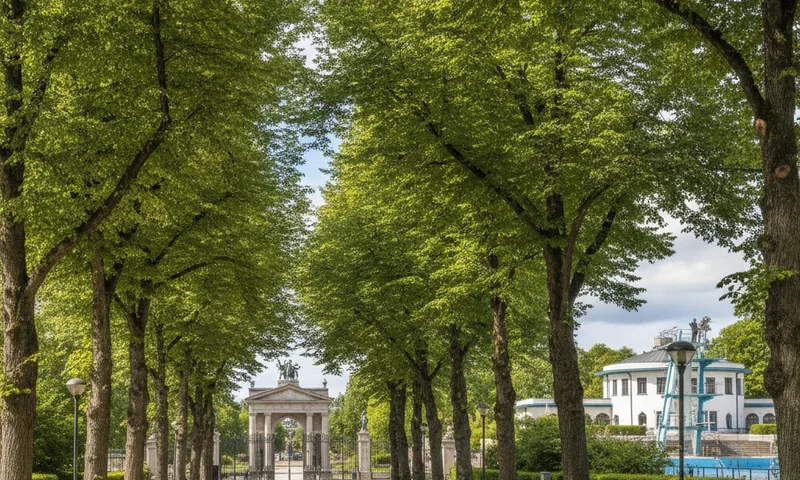
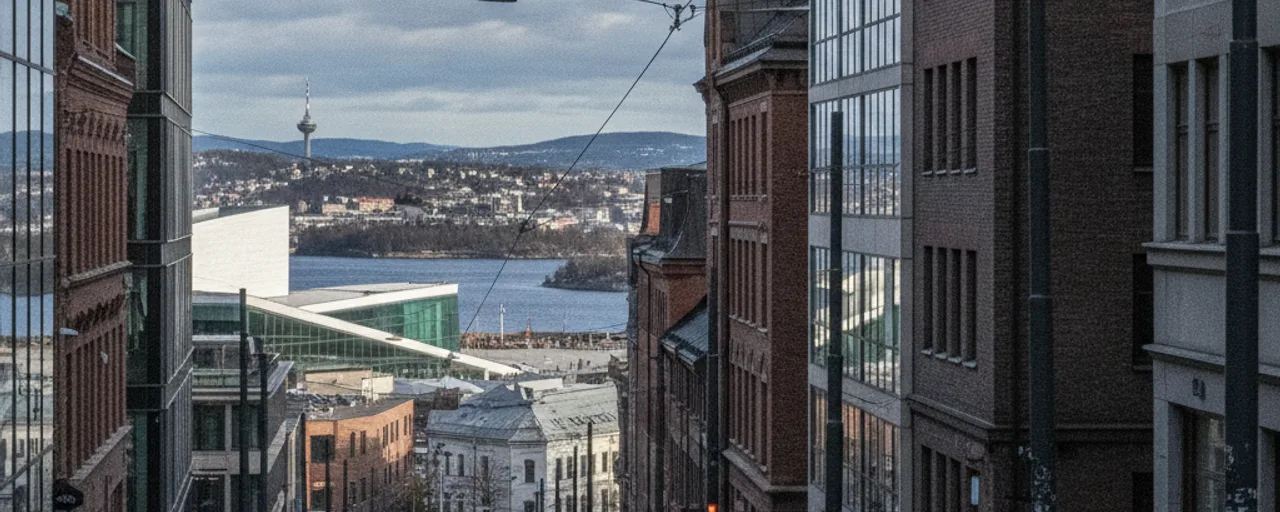
Urban Oslo view with modern and historic architecture, city fjord, and Holmenkollen tower, ideal for Oslo sustainable travel.

Oslo street view: modern glass buildings contrast with classic brick structures, framing the calm Oslofjord, distant green hills, and the iconic Holmenkollen tower under an overcast sky.

Personal Space and Quiet Conversation

Norwegians value personal space and tend to speak quietly in public. When on public transport or in queues, maintain a respectful distance from others. Avoid loud conversations on the T-bane or while waiting at a bus stop. This reflects a cultural preference for calm and non-intrusion into others' privacy and peace, contributing to a relaxed public atmosphere.

high

Food & Drink

Food & Drink

Oslo's culinary scene blends traditional Norwegian fare with modern, sustainable practices. Fresh seafood, caught from the surrounding fjords, is a highlight; look for cod (torsk) and salmon at restaurants along Aker Brygge or Tjuvholmen. For a taste of traditional comfort, try *fårikål*, a hearty mutton and cabbage stew, often found in eateries in the city's older districts like Frogner. Don't miss *brunost* (brown cheese), a sweet and tangy cheese, typically enjoyed on waffles (*vafler med brunost*) or crispbread – readily available at local cafes and bakeries throughout areas like Grünerløkka. Mathallen Oslo, the city's popular food hall, offers a diverse range of local produce, artisanal products, and prepared dishes, perfect for exploring various Norwegian flavors under one roof.

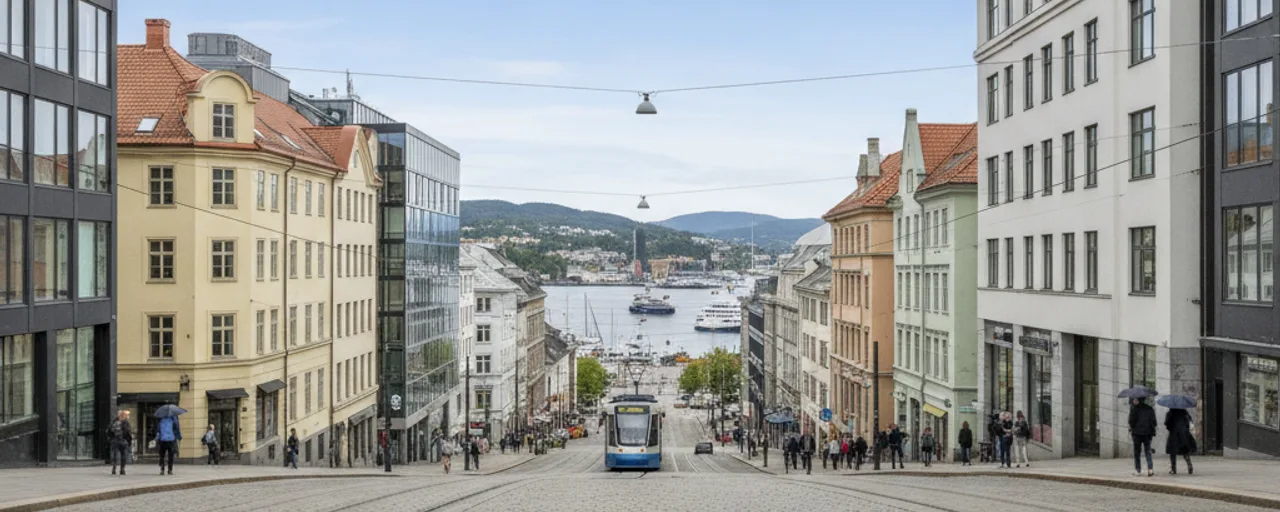
Vibrant Oslo street scene with diverse architecture, a tram, and people walking towards the scenic Oslo Fjord, representing sustainable urban travel.

Panoramic view of a bustling Oslo city street descending towards the picturesque fjord under an overcast sky. Features a blue tram, blend of historic and modern architecture, and pedestrians enjoying a classic Nordic urban experience.

Fårikål

A hearty stew featuring lamb or mutton on the bone, layered with cabbage and whole black peppercorns. It is slow-cooked until the meat is fork-tender and the broth develops a rich, savory depth. This comforting dish is a national favorite, particularly enjoyed during the cooler autumn months. Find it in traditional Norwegian restaurants such as Kaffistova in central Oslo, or at seasonal food markets.

Contains lamb/mutton. May contain wheat flour for thickening; check with the restaurant for gluten-free options.

Brunost

Brunost is a unique Norwegian brown cheese, with a distinctive caramel-like flavor and a fudge-like texture. It's made from whey, giving it a sweet, slightly tangy profile. Typically served in thin slices on bread, crispbread (knekkebrød), or traditional waffles (vafler), it’s a staple for breakfast or a light snack. You can find it in virtually any grocery store, bakery, or café throughout Oslo.

Contains dairy.

Lefse

Lefse is a traditional Norwegian soft flatbread, often made from potato, flour, butter, and cream. It has a delicate, slightly sweet taste and a pliable texture. Commonly served rolled up with a filling of butter, cinnamon, and sugar, it can also be enjoyed with savory toppings. Find it in Oslo bakeries like Åpent Bakeri or at local food markets, especially around festive periods.

Vegetarian, contains dairy and gluten

Essentials

Essential Information

Visa Requirements

For citizens of the EU/EEA, US, and UK, a visa is generally not required for stays up to 90 days within a 180-day period when visiting Oslo or other parts of Norway for tourism. Norway is part of the Schengen Area, meaning visitors from many countries can enter without a visa for short stays. However, specific requirements can vary, including passport validity (typically at least three months beyond your planned departure date) and sufficient funds for your stay. For up-to-date and personalized information, always verify your specific visa requirements with the official Norwegian Directorate of Immigration (UDI) or the nearest Norwegian embassy or consulate well in advance of your trip.

Health & Safety

Oslo is generally a very safe city with a low crime rate, making your visit for sustainable travel in Oslo largely worry-free. Tap water is safe and excellent to drink directly from the faucet. No specific vaccinations are required beyond routine immunizations recommended by your doctor for travel abroad. Petty crime like pickpocketing can occur in crowded tourist areas like Karl Johans gate or public transport, so remain aware of your belongings. Serious scams are rare. For emergencies, dial 112 for general police assistance, 110 for fire, and 113 for an ambulance.

Emergency Numbers

Police

112

Ambulance

113

Fire

110

Embassy: Check your home country's embassy website for the local Oslo contact.

Ready to Explore Oslo?

Sustainable tours with verified local operators. Small groups, real impact.