Tallinn

Discover Tallinn

Tallinn seamlessly blends its medieval past with modern innovation, offering sustainable travel experiences that respect both heritage and the environment.

Plan a responsible trip to Tallinn with trusted local experiences.
Estonia|Europe

Overview

About Tallinn

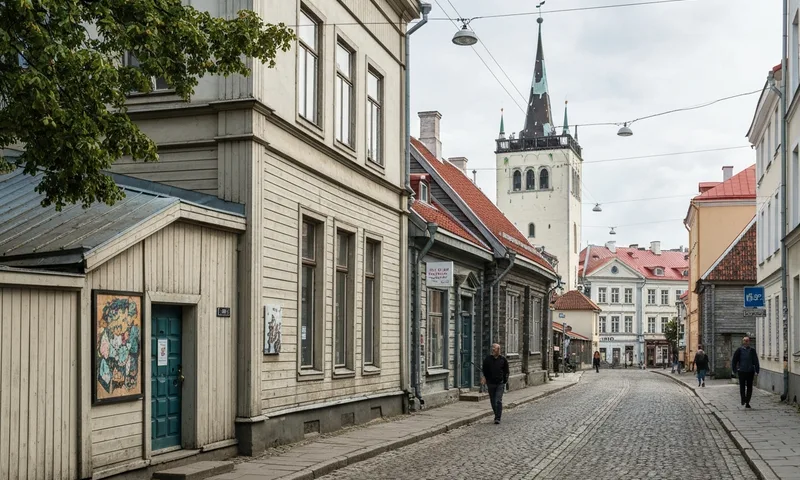
Tallinn offers an engaging blend of medieval history and modern innovation, making it an excellent destination for sustainable travel. Its well-preserved Old Town, a UNESCO World Heritage site, is easily explored on foot or by public transport, connecting visitors with centuries of Baltic heritage. Beyond its historic core, contemporary culture thrives with a focus on green initiatives and local experiences. This guide will explore how to discover Tallinn responsibly, from its historic streets to its contemporary offerings.

Top Highlights

  • Explore the medieval walls and cobbled lanes of Tallinn Old Town.
  • Discover artisan shops and cafes in the Kalamaja district.
  • Sample local delicacies at Balti Jaama Turg.
  • Visit the interactive exhibitions at the Seaplane Harbour Museum (Lennusadam).
  • Relax in the elegant grounds of Kadriorg Park and Palace.
  • Admire the onion domes of Alexander Nevsky Cathedral.
  • Immerse yourself in the cultural scene of Telliskivi Creative City.

For those prioritizing Sustainable Travel, Tallinn, Estonia's capital, offers a journey where well-preserved medieval architecture gracefully merges with a forward-thinking digital society. Its compact Old Town, a UNESCO World Heritage site, showcases centuries of trade and culture through cobbled streets and historic buildings, while just beyond, a contemporary city thrives with innovation and green initiatives. This intriguing blend defines Tallinn, appealing to travelers who value both deep historical roots and urban progress.

Tallinn's Enduring Appeal

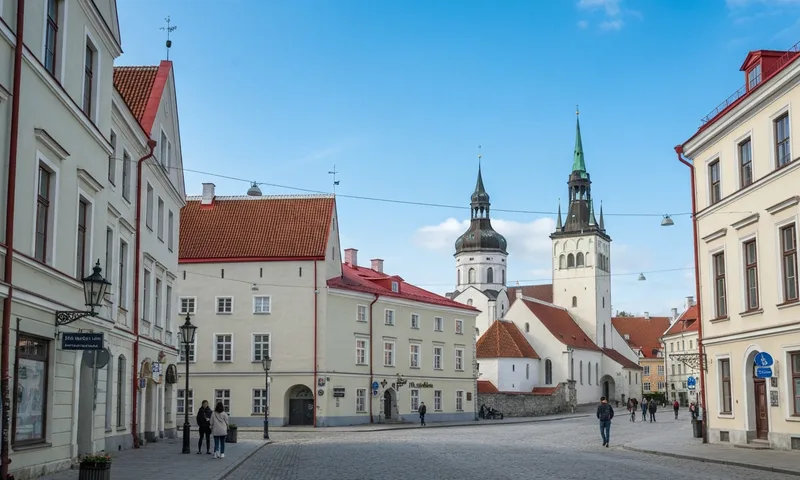
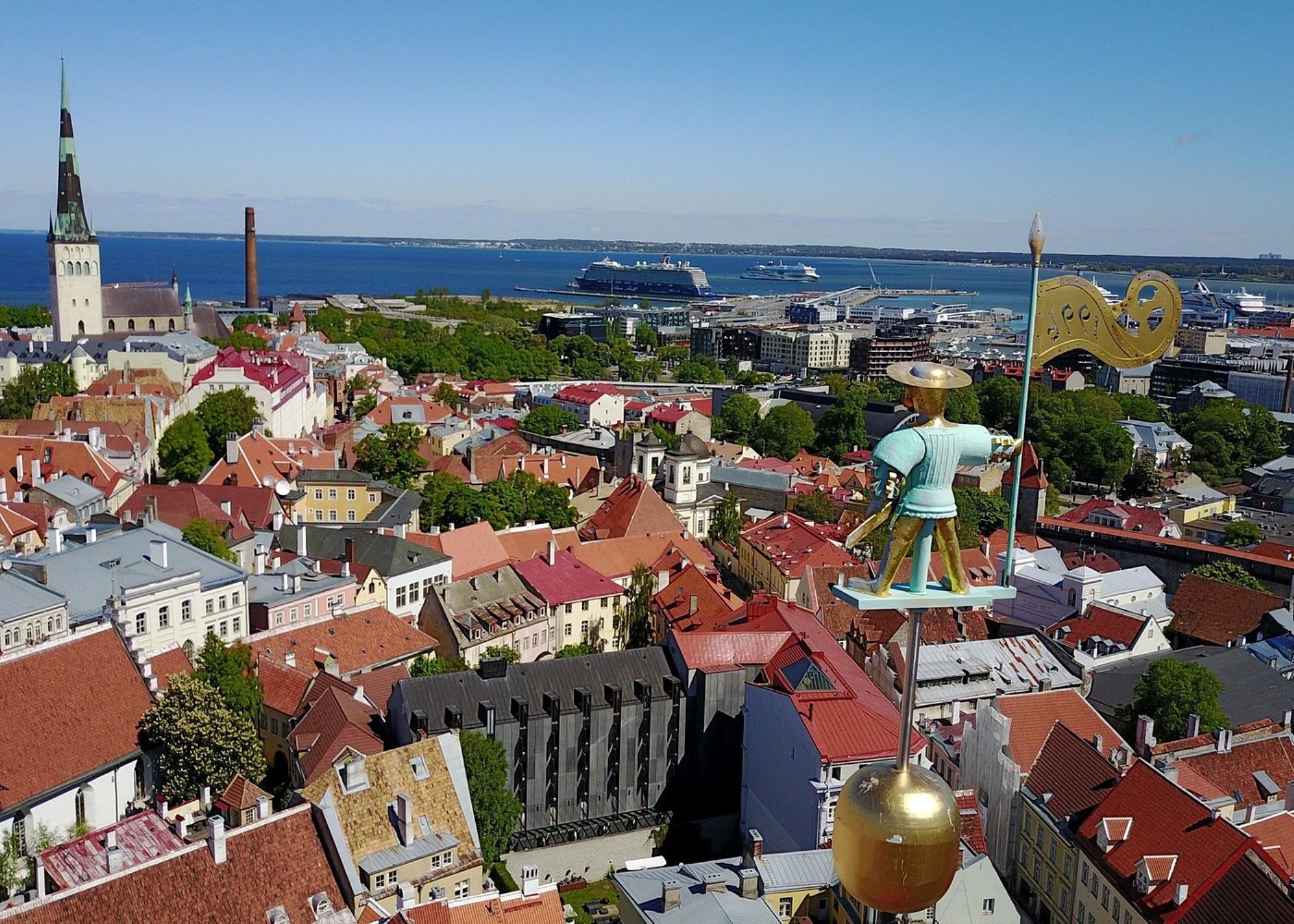
What truly distinguishes Tallinn is its elegant fusion of the past and the present. The medieval Old Town, a meticulously preserved area, invites visitors to step back in time. Landmarks like Toompea Castle, perched atop a limestone hill, and the soaring spire of St. Olaf’s Church, once the world's tallest building, recount tales of Hanseatic wealth and strategic importance. Beyond these ancient fortifications, the Kalamaja district presents a striking contrast, having evolved from a historic wooden house area into a creative hub filled with design studios, independent cafes, and lively cultural venues.

This fascinating duality extends throughout the city. The Rotermann Quarter, an architectural marvel situated between the Old Town and the port, expertly reuses former industrial buildings, blending historical facades with modern glass and steel structures to create a dynamic urban space. Estonia itself is globally recognized for its pioneering digital governance, and this innovative spirit subtly influences Tallinn's infrastructure and entrepreneurial drive. To discover more about the city's unique character and plan your explorations, you can browse available Tallinn tours.

Thoughtful Exploration and Responsible Journeys

Tallinn is exceptionally well-suited for travelers who enjoy unhurried exploration, preferring to navigate destinations on foot or using efficient public transport. Its concentrated layout means that many significant attractions are easily accessible, making it an ideal choice for slow travel enthusiasts seeking to minimize their environmental impact. Whether you are a history enthusiast captivated by centuries-old architecture or a contemporary culture seeker drawn to burgeoning art scenes and innovative eateries, Tallinn provides rich experiences. Families, too, will find engaging museums and pedestrian-friendly zones to explore safely.

The city's commitment to Sustainable Travel is evident in its comprehensive public transport network of buses, trams, and trolleybuses, which makes getting around without a car straightforward. Furthermore, green spaces like Kadriorg Park offer peaceful retreats. Visitors can actively support this ethos by frequenting local establishments that champion ethical practices and by exploring markets like Balti Jaama Turg, where fresh, seasonal Estonian produce and artisanal goods are readily available. Learn more about Estonia's dedication to sustainability and ecotourism on the official Visit Estonia website.

This guide will delve deeper into Tallinn's unique neighborhoods, culinary delights, and practical tips, providing all you need to plan a truly enriching and responsible visit. Discover how to experience the best of Tallinn with a mindful approach.
When to Visit

When to Visit Tallinn

For sustainable travel in Tallinn, the optimal times are late spring (May) and early autumn (September). May offers increasingly mild temperatures, averaging 10-15°C, with the city's parks blossoming and fewer tourist crowds before the summer peak. Accommodation and flight costs are typically moderate. September provides comfortable temperatures, around 12-18°C, and beautiful autumn foliage, especially in Kadriorg Park, as summer visitors depart. While the days shorten, the atmosphere remains vibrant with local events, and prices generally begin to drop. Both months strike a balance between good weather, manageable crowds, and better value for a first-time visitor.

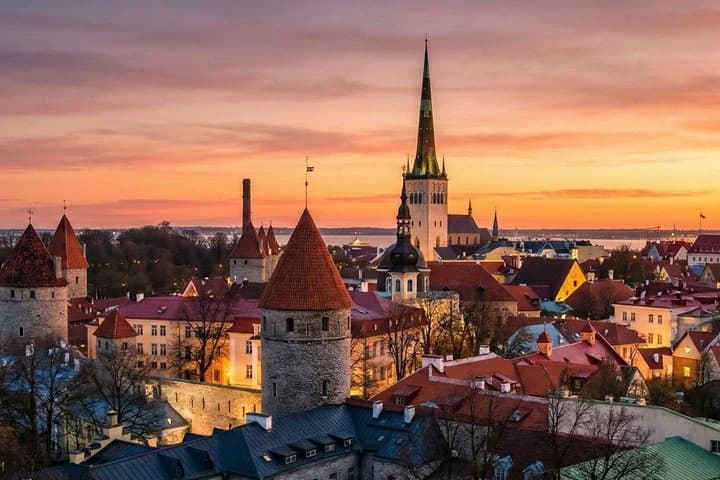
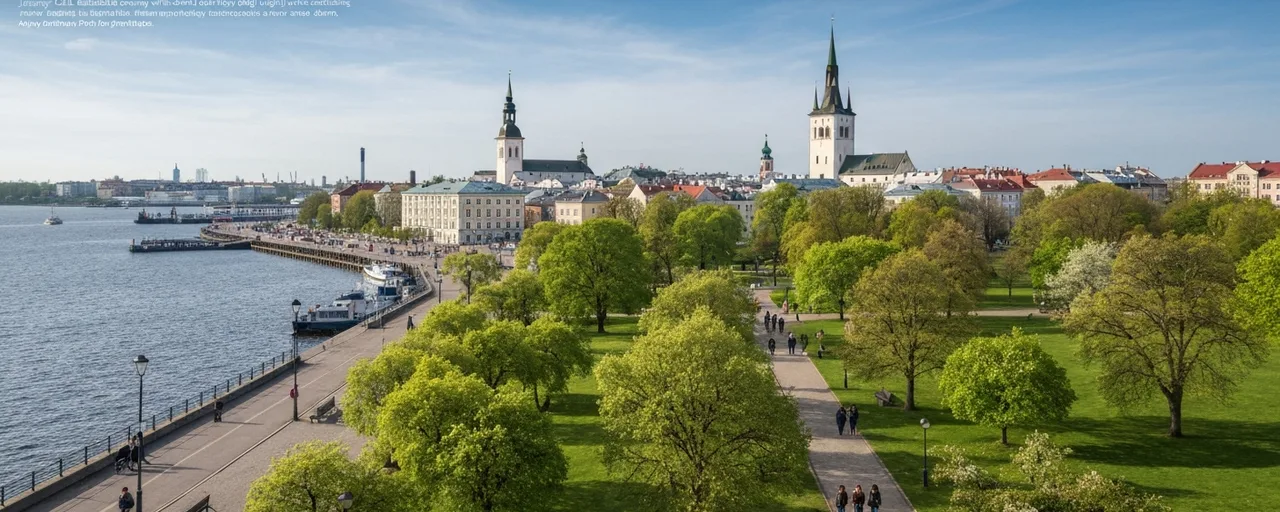
Panoramic view of Tallinn's Old Town waterfront, lush park, and iconic steeples, perfect for sustainable travel.

A vibrant aerial view captures Tallinn's historic Old Town, featuring its iconic church steeples, a bustling waterfront promenade, and expansive, lush green parks dotted with pedestrians enjoying a sunny spring day. Ideal for exploring sustainable travel experiences in Estonia's capital.

Tallinn experiences four distinct seasons. Spring, from April to May, sees temperatures slowly rise from around 0-8°C to 5-15°C, with a refreshing crispness in the air. Summer, June through August, offers the most pleasant climate, averaging 10-22°C and long daylight hours, making it ideal for outdoor exploration. Autumn, September to October, brings cooler weather, from 8-15°C initially down to 3-10°C, with increasing rainfall and colorful foliage. Winters, from November to March, are cold and often snowy, with average temperatures ranging from -8°C to 2°C, and limited daylight. For comfortable sightseeing and enjoying the city's outdoor spaces, the milder months of June to August are generally recommended. Winter, particularly December to February, can be challenging due to cold and darkness, though it offers a unique, serene atmosphere for those prepared.

Best months to visitMay to September
Jan
Feb
Mar
Apr
May
Jun
Jul
Aug
Sep
Oct
Nov
Dec
Best timeOff-peak
MonthHigh °CLow °CRain (mm)
January0°-5°45
February-1°-6°35
March3°-3°35
April9°2°35
May15°7°45
June19°11°65
July22°14°75
August20°13°75
September15°9°65
October9°4°65
November4°0°55
December1°-3°55

Areas to Explore

Areas to Explore

KalamajaArtsy, bohemian, community-focused
Kalamaja

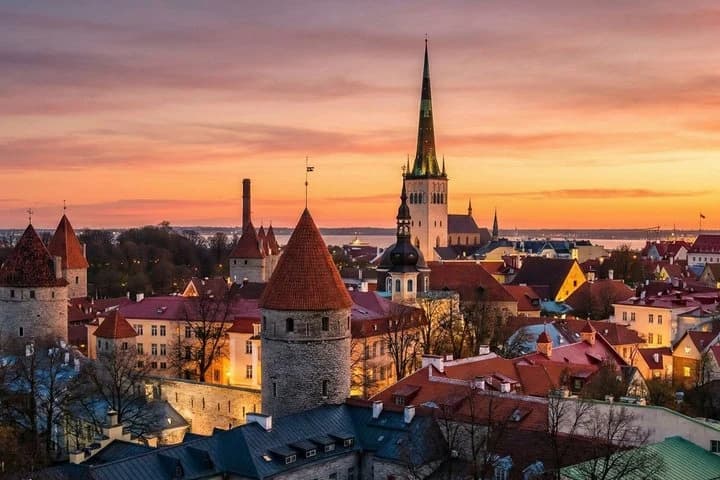
Tallinn's former fishing village, Kalamaja, has transformed into a lively district known for its colorful wooden houses and creative energy. Wander along Telliskivi Creative City, a hub of independent shops, cafes, and street art within repurposed industrial buildings. This area appeals to young professionals, artists, and families seeking a relaxed, community-focused atmosphere with an emphasis on local businesses. Visitors can explore unique boutiques or enjoy a meal at one of the many plant-based eateries.

  • Telliskivi Creative City
  • Balti Jaama Turg
  • Lennusadam (Seaplane Harbour Museum)
VanalinnMedieval, walkable, historic

Vanalinn

Vanalinn, Tallinn's UNESCO-listed Old Town, offers a journey through medieval history with its cobblestone streets and well-preserved architecture. Centered around Raekoja plats, visitors can explore the Gothic Town Hall and wander through narrow alleys like those off Pikk Street. This area is ideal for history enthusiasts and culture seekers who appreciate walkable districts. Its compact size encourages pedestrian exploration, reducing the need for motorized transport within the core, aligning with principles of sustainable travel.

  • Raekoja plats (Town Hall Square)
  • St. Olaf's Church (Oleviste kirik)
  • Viru Gates
KadriorgElegant, green, cultural

Kadriorg

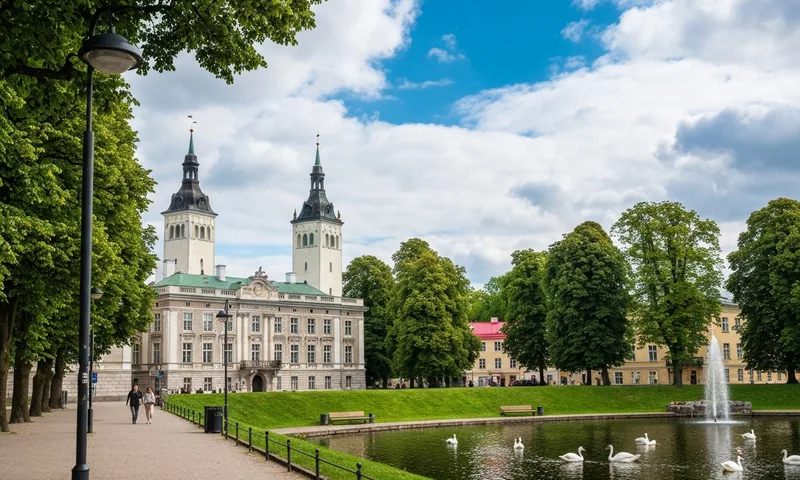
Kadriorg offers a serene escape with its grand park and elegant architecture, ideal for travelers seeking tranquility and culture. Stroll along the tree-lined avenues, discovering the Baroque beauty of Kadriorg Palace, an impressive former imperial residence. This leafy district, easily accessible by Tallinn's tram lines, appeals to families, art enthusiasts, and those preferring leisurely walks amidst historic greenery. It's a peaceful contrast to the city's more bustling areas.

  • Kadriorg Palace
  • KUMU Art Museum
  • Kadriorg Park

Getting Around

Getting Around

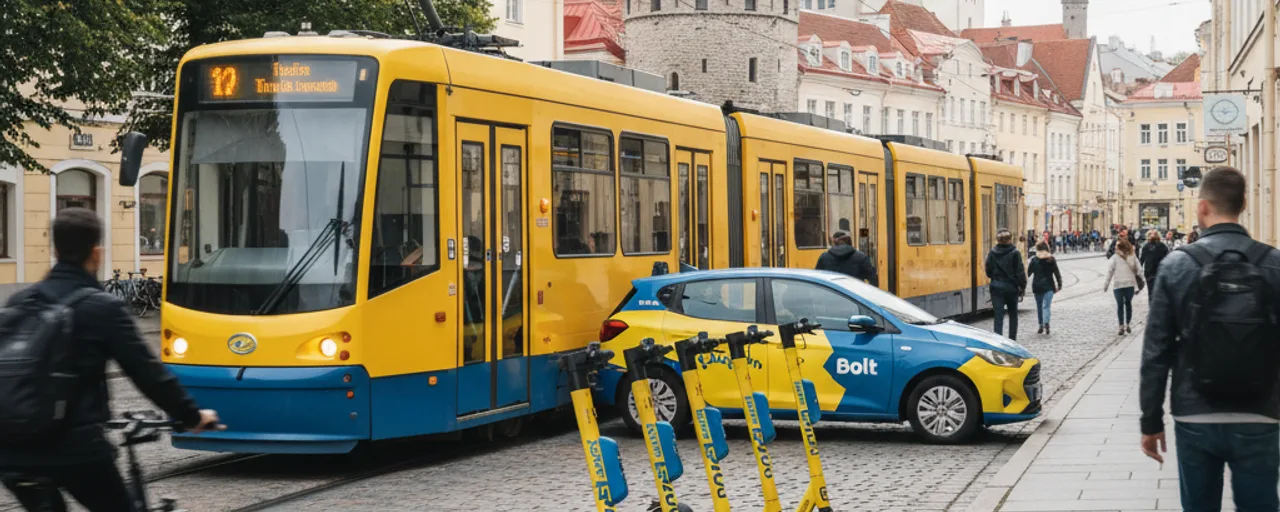
Tallinn is an excellent city for **sustainable travel**, largely due to its compact Old Town and efficient public transport network. Exploring the medieval center on foot is the best way to experience its charm and reduce environmental impact. For longer distances, the city's trams and buses provide extensive coverage, running frequently across all neighborhoods. A single 90-minute ticket costs approximately €2 when purchased directly with a contactless card or via QR code; frequent visitors can use an Ühiskaart (public transport card) for slightly lower fares. While a city-wide bike-share system is not prominent, private e-scooter and bike rentals are available through apps like Bolt. Overall, Tallinn's emphasis on walking and public transit makes it a highly eco-friendly destination. Eco-friendly rating: 5/5.

Tallinn street scene featuring a yellow tram, Bolt car, e-scooters, and a cyclist, highlighting sustainable travel.

A vibrant daytime scene in Tallinn, showcasing a modern yellow and blue tram alongside a Bolt ride-share car and electric scooters. Pedestrians and a cyclist navigate the historic cobblestone streets, framed by traditional European buildings, illustrating efficient urban mobility.

Tallinn Public Transport (TLT)

Tallinn's integrated public transport network, operated by TLT, connects the city via an extensive system of trams, trolleybuses, and buses. A single ticket purchased from the driver costs €2, but using a Ühiskaart or the Tallinn Card offers better value for multiple journeys. Many routes utilize modern vehicles, with an increasing number of electric buses contributing to a greener environmental footprint for city exploration.

low

Purchase a Ühiskaart (public transport card) from R-Kiosks or larger supermarkets for cheaper fares and easy top-ups, then remember to validate it on board each vehicle.

Bolt rideshare

Bolt is a popular ride-sharing service in Tallinn, offering convenient door-to-door transport via its mobile app. Fares for a typical short city ride start from around "5-8 euros, making it a viable option for direct travel. While many vehicles are standard combustion engines, Bolt is increasingly integrating electric and hybrid cars into its fleet, offering a more sustainable choice when available.

medium

Check for the 'Green' category in the Bolt app if you prefer an electric or hybrid vehicle for your journey.

Bolt Scooters

Explore central Tallinn districts like Kalamaja and Kadriorg using Bolt Scooters. These electric scooters are accessible via the Bolt app, typically costing around €0.15–€0.20 per minute plus a €0.50 unlock fee. They offer a flexible, emission-free way to cover short to medium distances and navigate smaller streets, particularly useful outside public transport routes.

medium

Always park scooters considerately, away from pedestrian paths and building entrances, and ensure they are within the designated operating zones to avoid extra charges.

Tallinn City Bike Share

Explore Tallinn on two wheels using the city's bike-share network, operated by Nextbike by Bolt. These bikes are convenient for short to medium distances, especially in the city center and Kalamaja. Rentals typically cost around €1.50 for 30 minutes, with daily or weekly passes also available. This is a highly eco-friendly way to navigate the city's flatter areas.

low

Download the "Nextbike by Bolt" app beforehand to easily locate available bikes and docking stations across Tallinn.

Eco Travel

Travel Sustainably

Embracing sustainable travel in Tallinn means making mindful choices that support local communities and protect its distinct environment. Explore the city's UNESCO-listed Old Town and vibrant neighborhoods on foot or by utilizing its efficient public transport system, such as the tram network connecting key areas. Choose to support local artisans and producers by visiting markets like Balti Jaama Turg, where you can find authentic Estonian crafts and food. Prioritise businesses committed to ethical practices and resource conservation. Yovu verifies partners dedicated to environmental stewardship and social responsibility, making it easier to book accommodations and tours that genuinely contribute to Tallinn's long-term well-being. Your conscious decisions help preserve the city’s charm for future generations.

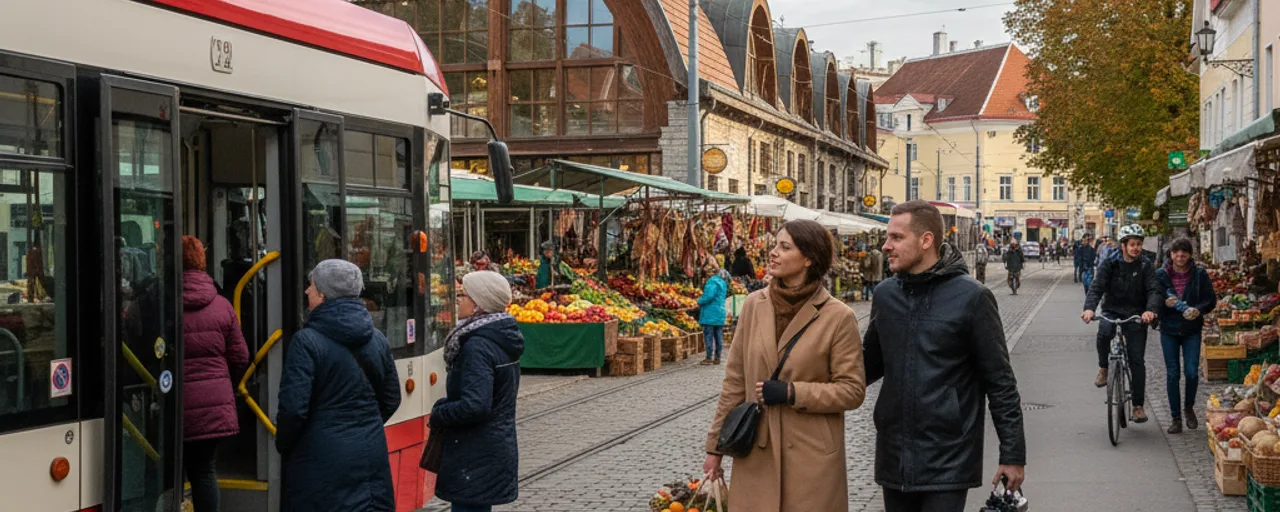
Sustainable travel in Tallinn: locals board a tram and shop at a lively outdoor market with historic buildings.

A vibrant autumn day in Tallinn, showcasing sustainable travel with people boarding a public tram, shopping for fresh produce at a bustling outdoor market, and cycling past charming historic architecture.

Use Tallinn's Public Transport

Tallinn has an extensive network of trams, buses, and trolleybuses. Utilizing these, such as tram line 4 from the airport to the city center, significantly reduces your carbon footprint compared to private taxis. Purchasing a Tallinn Card also offers unlimited travel, encouraging sustainable urban exploration.

Support Local Artisans and Eateries

Explore the unique shops at Telliskivi Loomelinnak or Balti Jaama Turg for locally crafted goods and regional produce. This directly supports Estonian entrepreneurs and reduces the carbon footprint associated with imported products, contributing to a vibrant local economy.

Flights to Tallinn, particularly from distant international hubs, contribute to a significant carbon footprint. While direct routes and lower-emission transport like trains from nearby countries are preferable for [Sustainable Travel](/sustainable-travel), offsetting unavoidable emissions through certified projects is a responsible step. Yovu assists by curating eco-conscious accommodations and local experiences that prioritize sustainability, helping you make informed choices and minimize your environmental impact once you arrive in Estonia's capital.

Learn more about our green initiatives

Culture

Local Culture

Tallinn's culture blends Nordic and Eastern European influences, creating a unique identity. A cornerstone is the Estonian Song and Dance Celebration (Laulupidu), a UNESCO-recognized event held every five years, uniting thousands of performers and spectators in a profound display of national heritage and communal spirit. Everyday etiquette often involves punctuality and a somewhat reserved initial demeanor, though friendliness emerges readily once rapport is established. Respect for personal space is valued. Saunas are deeply ingrained in Estonian life, viewed not just for relaxation but also as social spaces and for their health benefits, with specific traditions around their use. Appreciating these nuances enhances any visit.

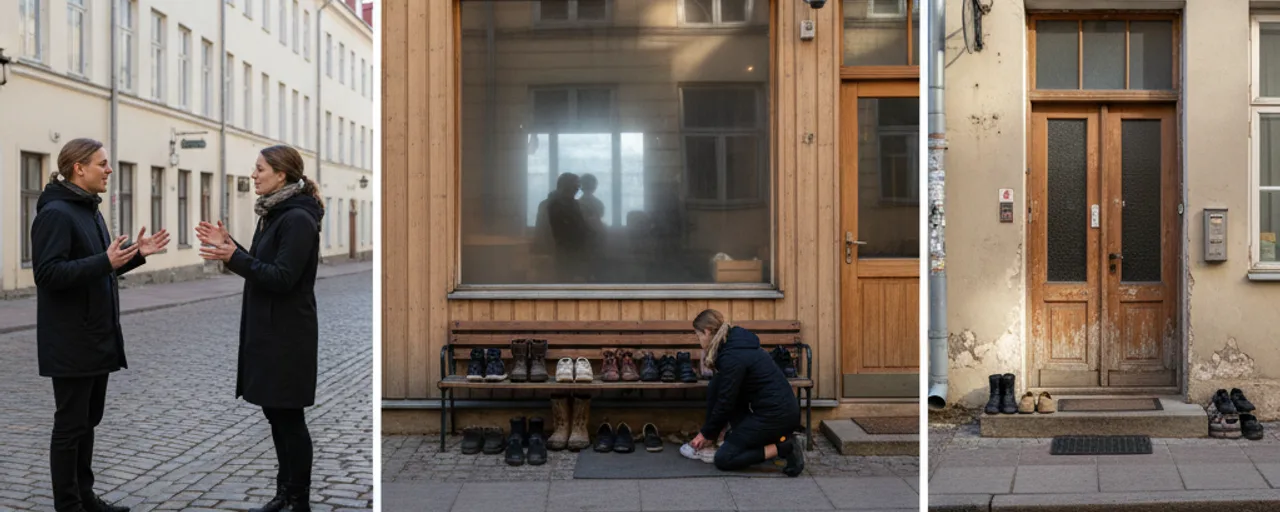
Locals interacting on a cobblestone street and traditional shoe-free entryways in Tallinn, highlighting sustainable travel.

Three vignettes showcasing authentic local life in Tallinn. Two individuals conversing on a historic cobblestone street, followed by scenes of shoes respectfully placed outside traditional doorways, reflecting cultural customs and a mindful approach to travel.

Direct Communication Style

Estonians generally favor direct and pragmatic communication. Avoid overly effusive language or excessive small talk, especially when first meeting. When asking for help, a clear, concise question like 'Where is Raekoja plats?' is preferred over elaborate introductions. This directness stems from a cultural appreciation for sincerity and efficiency, valuing clarity over embellishment.

high

Sauna Etiquette

Saunas are an integral part of Estonian culture, often social. It is common to be naked or wear a towel in mixed saunas, especially in private settings, and always shower before entering. Avoid loud conversations or overly boisterous behavior, as saunas are for relaxation and quiet contemplation, reflecting a respect for tradition and shared space.

high

Removing Shoes Indoors

In Estonian homes and some smaller, informal establishments, it is customary to remove your shoes upon entering. This practice stems from cleanliness and respect for the host's space. For example, when visiting an Estonian friend's apartment, take your shoes off at the door. Avoid walking in with outdoor footwear, as it is considered impolite. Often, hosts might offer guest slippers.

high

Reserved Demeanor and Personal Space

Estonians generally maintain a reserved demeanor, especially with strangers. Do not expect effusive greetings or immediate familiarity. Maintain a respectful distance when conversing and avoid overly loud conversations in public spaces like the Viru Keskus shopping mall or on Tallinn's tram lines. This reflects a cultural preference for privacy and quiet contemplation. Keep interactions calm and polite.

high

Food & Drink

Food & Drink

Tallinn's culinary scene emphasizes fresh, seasonal produce and a connection to its Baltic heritage. Traditional Estonian dishes often feature hearty ingredients sourced locally. For a quintessential taste, seek out `kiluvõileib`, an open-faced sandwich with marinated Baltic sprats, commonly served in cafes within the Old Town or found at the diverse Balti Jaama Turg. During the colder months, especially around Christmas, `verivorst` (blood sausage) with lingonberry jam is a staple, available in many traditional eateries and festive markets. Another distinctive Estonian item is `kama`, a finely milled mix of roasted grains, typically enjoyed with buttermilk or yogurt as a light breakfast or dessert, often found in health-conscious cafes or specialty food shops across the city.

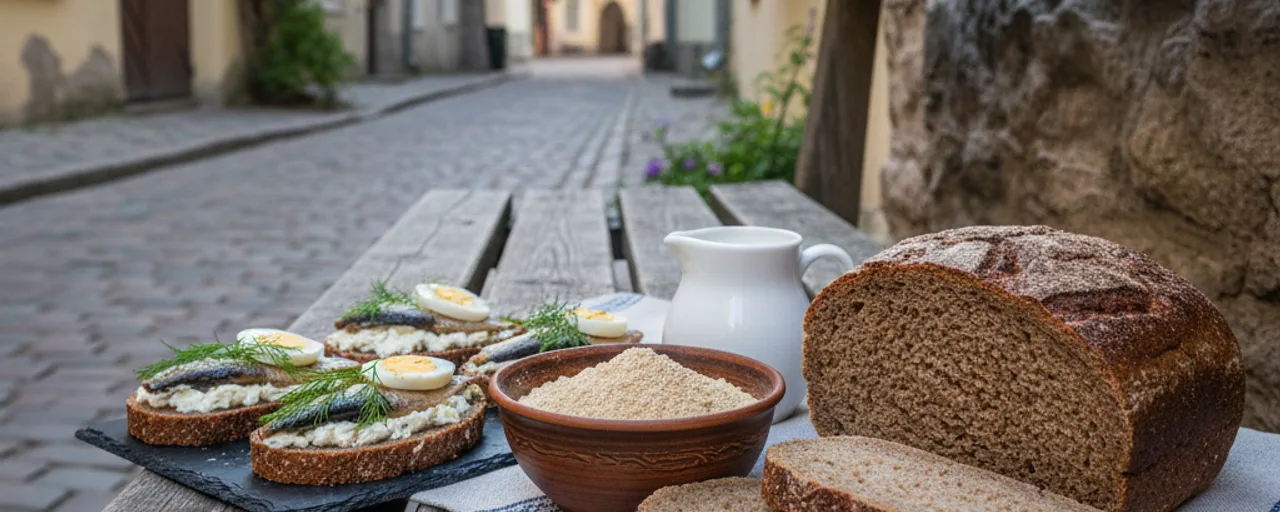
Traditional Estonian sprat sandwiches with rye bread on a rustic table in Tallinn's old town, highlighting local, sustainable travel food.

An inviting display of traditional Estonian sprat sandwiches and freshly baked dark rye bread on a wooden table, set against the charming cobblestone streets of Tallinn's historic old town. This scene captures the essence of local, sustainable culinary traditions.

Kama

A traditional Estonian dessert, Kama is a finely milled mixture of roasted barley, rye, oat, and pea flours. It has a nutty, earthy flavor and a grainy texture, often served stirred into buttermilk, kefir, or yogurt with berries. It's a staple in cafes and traditional restaurants across Tallinn, especially popular in summer.

Vegetarian

Kiluvõileib

Kiluvõileib is a classic Estonian open-faced sandwich, featuring thinly sliced, marinated Baltic sprat (kilu) atop dark rye bread. Often garnished with a slice of hard-boiled egg, fresh dill, and sometimes a smear of butter or cream cheese, it offers a distinct salty, umami flavour with a firm texture from the fish. Find this ubiquitous snack or starter in nearly any traditional Estonian cafe or restaurant.

Contains fish and gluten. Not suitable for vegetarians.

Rukkileib

Estonian Rukkileib is a dense, dark rye bread, a staple of local tables. Characterized by its slightly sour taste and hearty, chewy texture, it's typically made with rye flour and sourdough. Find this essential bread freshly baked in local bakeries like Pagaripoisid or served alongside meals in many restaurants throughout Tallinn.

Contains gluten

Verivorst

This traditional Estonian blood sausage is a staple during colder months, particularly around Christmas. It offers a rich, earthy flavor with a slightly coarse texture, often seasoned with marjoram and onion. Typically served hot with lingonberry jam and mulgikapsad (stewed sauerkraut) at traditional Estonian restaurants or Christmas markets like the one in Tallinn's Town Hall Square.

Contains pork, gluten-free options are rare

Essentials

Essential Information

Visa Requirements

For citizens of EU member states, travel to Tallinn, Estonia, is visa-free as part of the Schengen Area agreement, allowing freedom of movement. Similarly, passport holders from the United States, United Kingdom, Canada, Australia, and many other countries typically enjoy visa-free entry for short stays (up to 90 days within any 180-day period) for tourism or business purposes. It is crucial to verify the most current visa requirements and any entry conditions or health regulations applicable to your specific nationality and travel purpose with your nearest Estonian embassy or consulate well in advance of your trip.

Health & Safety

Tallinn is a safe city for visitors, making it an easy destination for responsible tourism. Tap water is potable directly from the faucet, encouraging the use of reusable bottles for sustainable travel. No special vaccinations are required beyond routine ones recommended for European travel. While violent crime is rare, be mindful of your belongings in busy areas like the Old Town, especially during market times or late evenings, to avoid opportunistic pickpocketing. For any emergencies, dial 112, the common European emergency number, for police, ambulance, or fire services. Local pharmacies are well-stocked for minor ailments.

Emergency Numbers

Police

112

Ambulance

112

Fire

112

Embassy: Check your home country's embassy website for specific contact information in Tallinn.

Ready to Explore Tallinn?

Sustainable tours with verified local operators. Small groups, real impact.