When is the best time to visit Oslo?
The best time to visit Oslo for most travelers is during the summer months, from June to August. This period offers the warmest temperatures, longest daylight hours, and the widest array of outdoor activities, making it ideal for exploring the city and its surrounding fjord. However, if you are interested in snow sports and a winter experience, December to March can also be an excellent choice.
Oslo in Summer: June, July, August
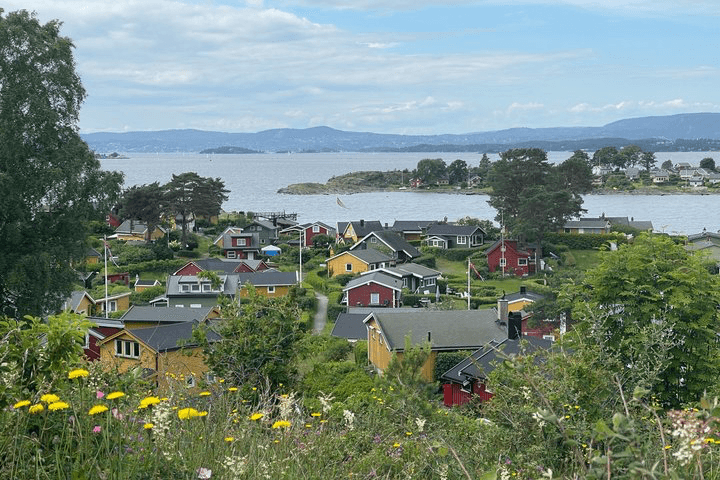
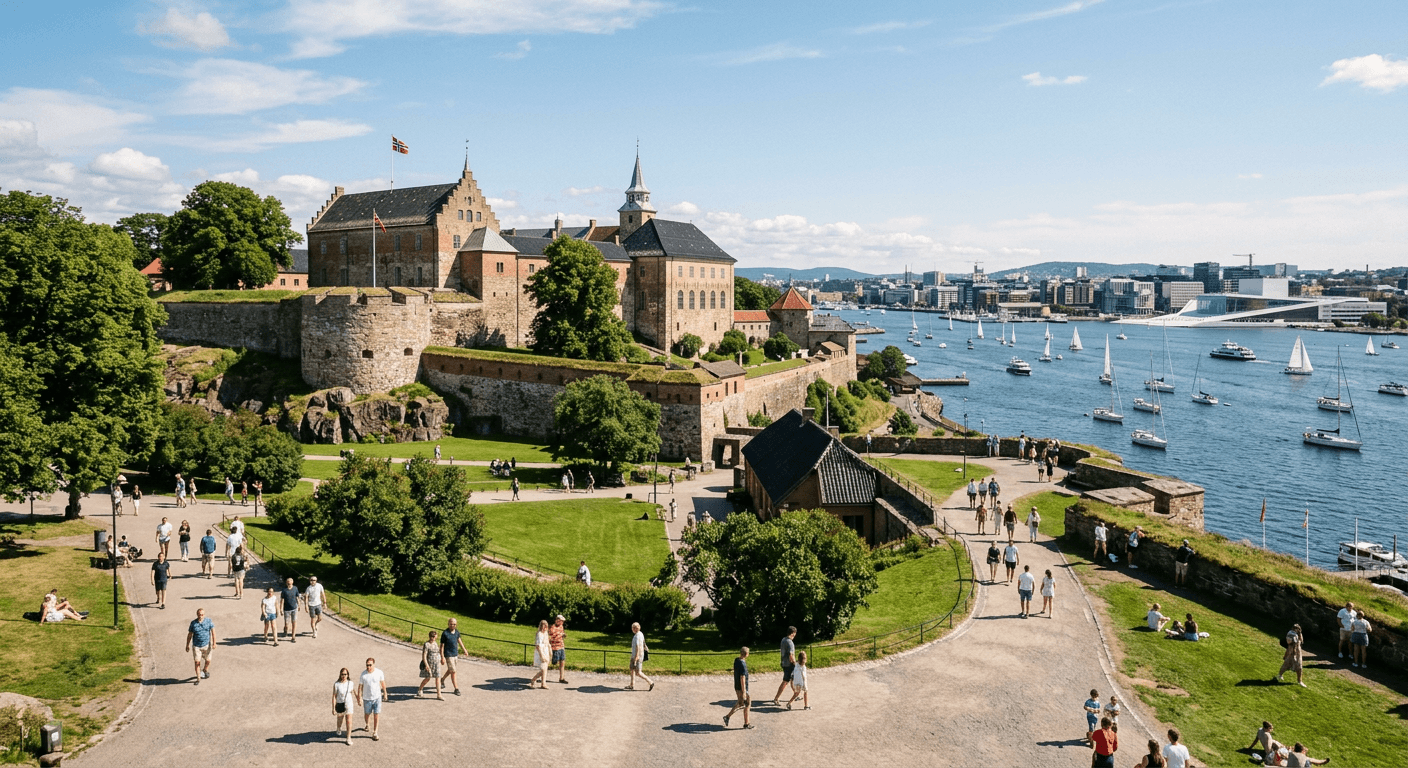
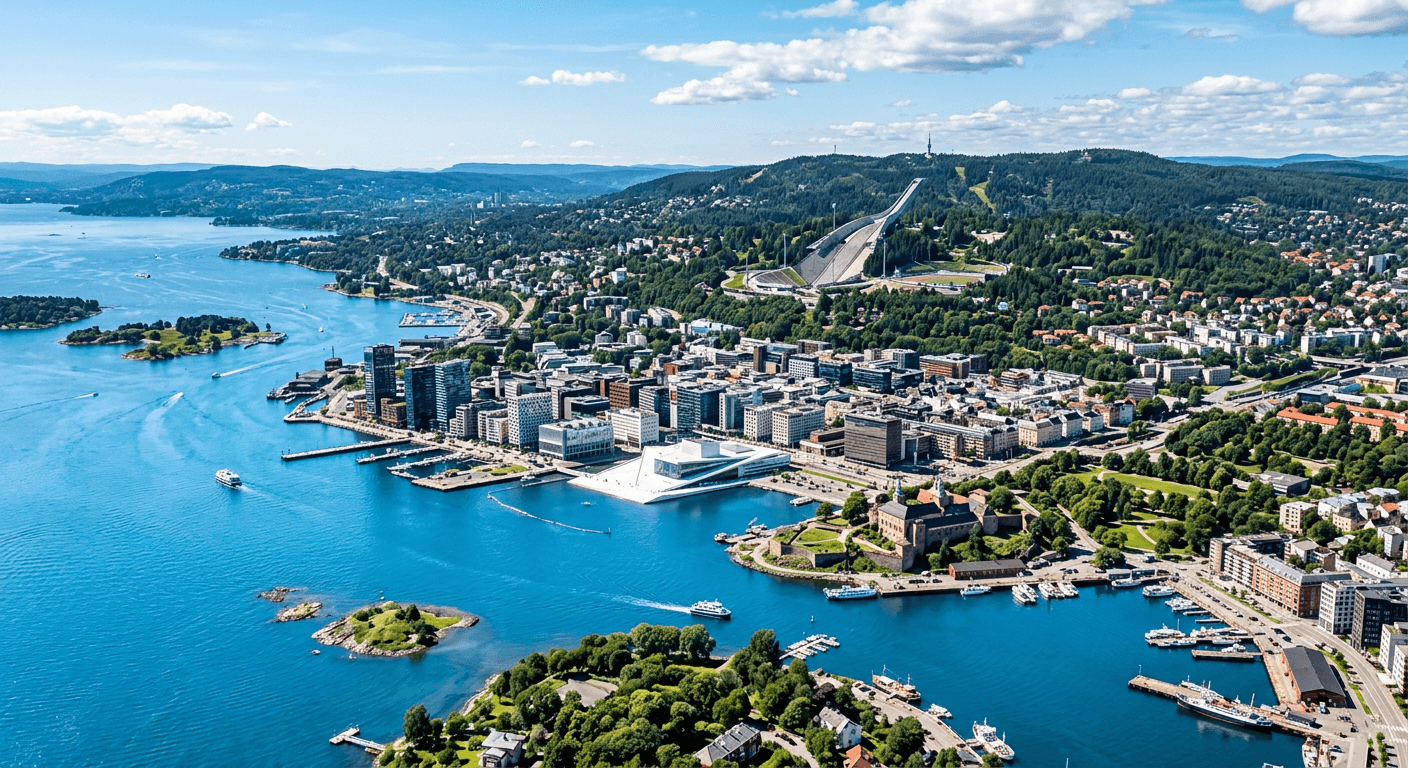
Summer in Oslo is characterized by mild to warm temperatures, typically ranging from 15°C to 25°C, and exceptionally long daylight hours. In July, the sun sets very late, providing ample time for outdoor adventures. This is the peak tourist season, so expect larger crowds at popular attractions and higher prices for accommodations and flights.
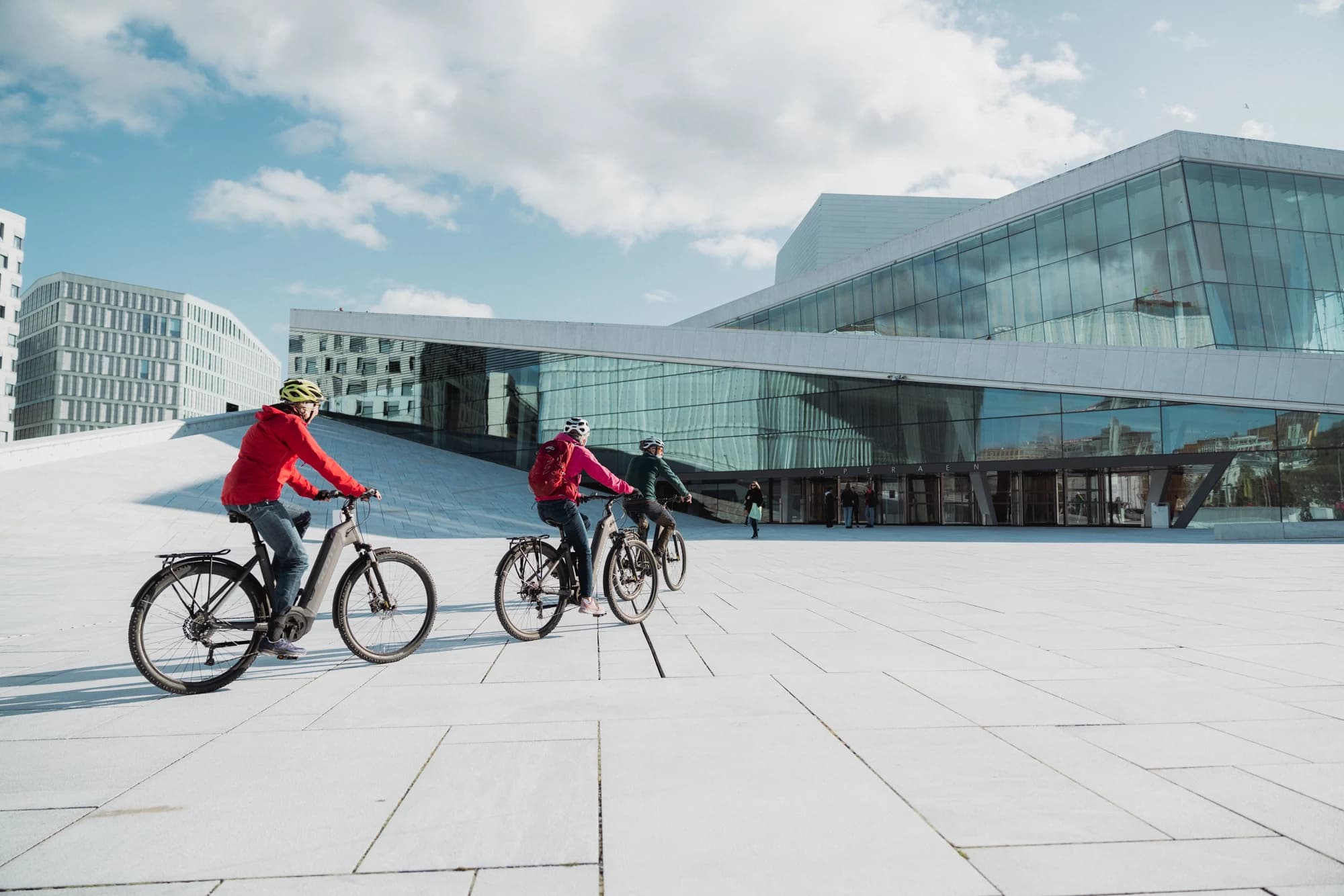
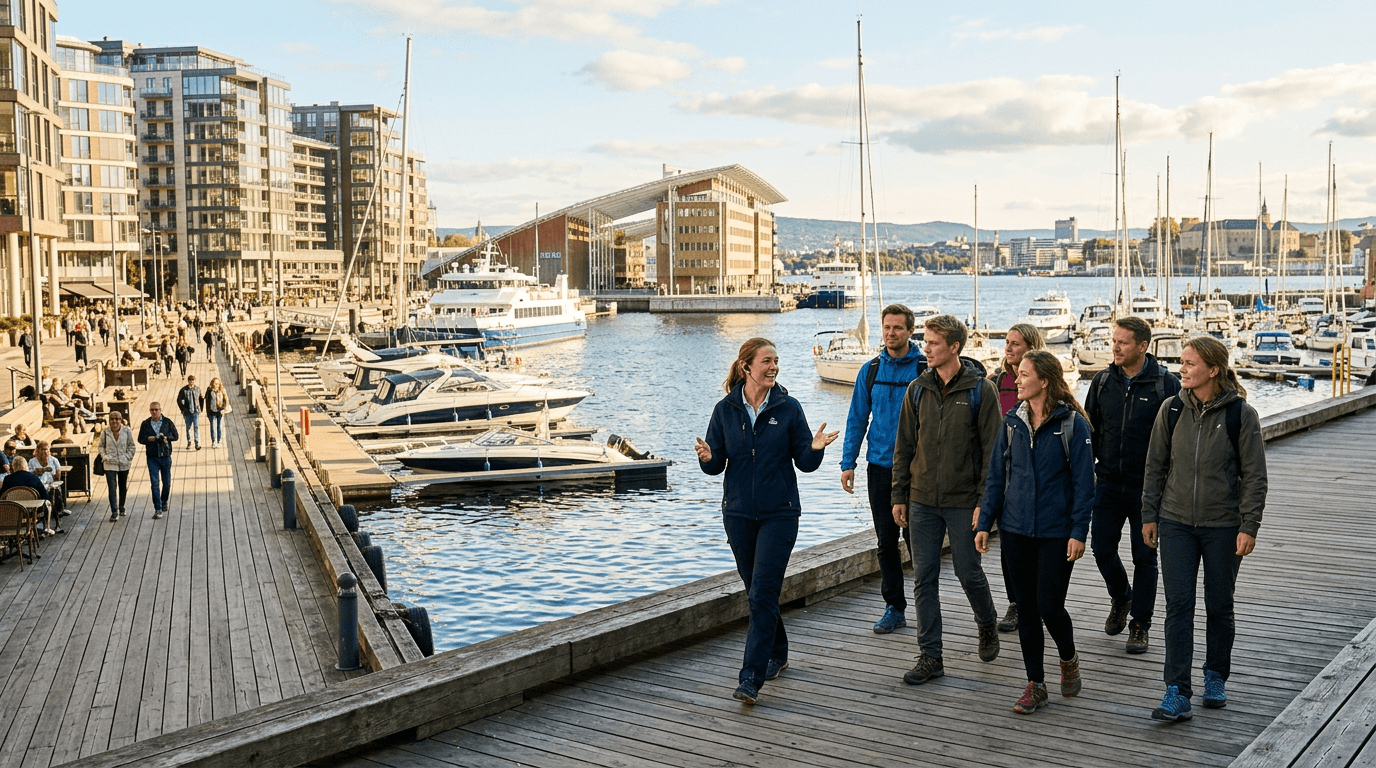
June: The start of summer brings pleasant weather and the official arrival of the midnight sun effect in the region, though not true midnight sun in Oslo itself. Average temperatures are around 13-20°C. Many outdoor cafes open, and the city feels lively. It's a great time for a Guided Bike Tour Oslo: Explore Norway's Capital by Bike to see the city's sights efficiently.
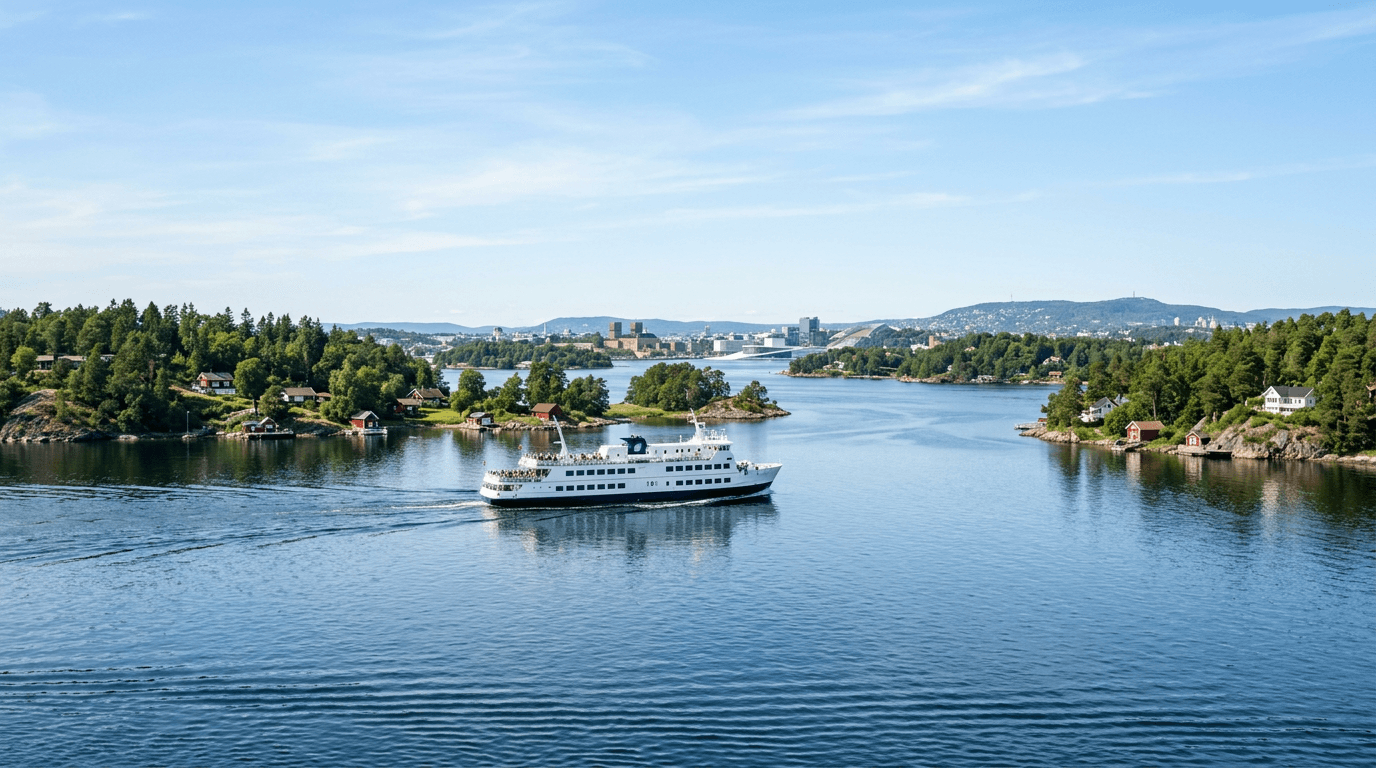
July: Often the warmest month, with average temperatures between 15-22°C. This is the busiest time for tourism. The Oslofjord is a major draw, with many locals and visitors enjoying swimming and boating. Consider an Oslo Island Hopping Tour: Fjord & Nature Escape or a private fjord cruise, like the Oslo Fjord Private Cruise: Luxury Tailored Experience.
August: Temperatures remain mild, typically 14-20°C, and daylight hours are still long, though noticeably shorter than in July. Crowds begin to thin slightly towards the end of the month as locals return from holidays and children prepare for school. This month offers a good balance of pleasant weather and slightly fewer people.
For detailed information on activities, check out our guide to things to do in Oslo.
Oslo in Autumn: September, October, November
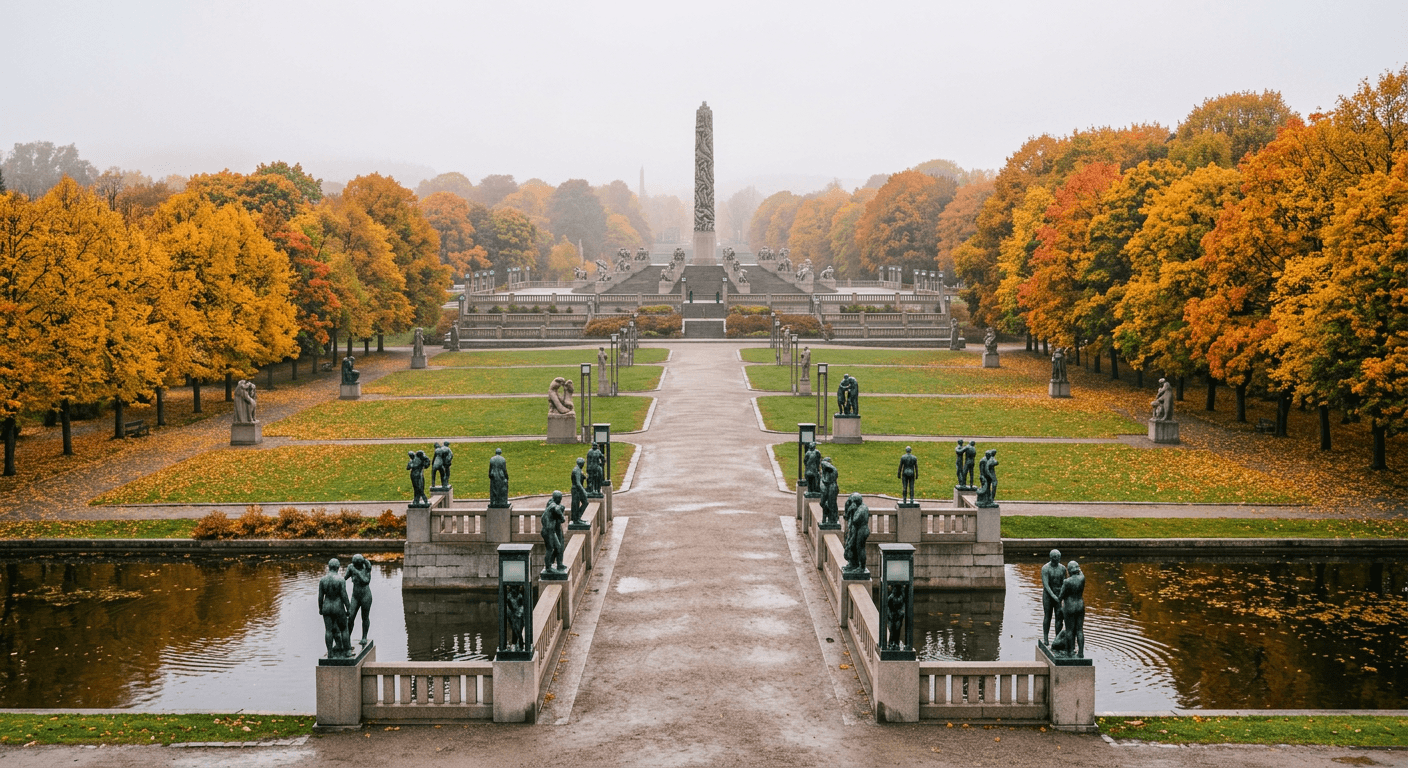
Autumn in Oslo sees temperatures gradually drop and daylight hours shorten. The landscape transforms with changing leaf colors, particularly in September and early October. Crowds are significantly smaller than in summer, making it a good time for those who prefer a quieter experience, though some outdoor activities may become less available.
September: A transitional month, with average temperatures between 9-15°C. The first half of the month can still feel like an extension of summer, with comfortable weather for walking and exploring. Towards the end of September, the air becomes crisper, and trees start to show their autumn hues.
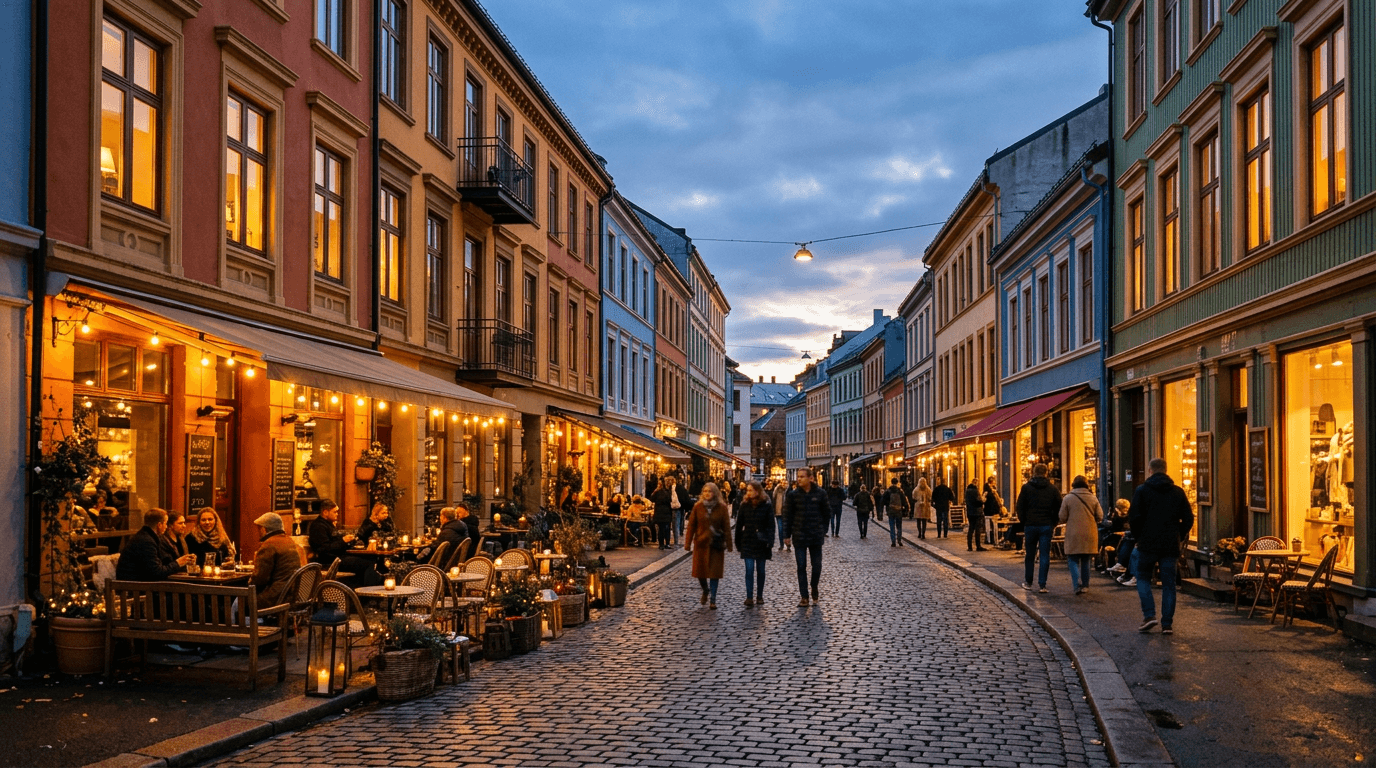
October: Colder, with average temperatures around 4-10°C. Rainfall tends to increase. Many outdoor attractions may have reduced hours or close for the season. This is a time for indoor activities like museums and galleries, or enjoying cozy cafes.
November: The true arrival of late autumn/early winter, with average temperatures between 0-5°C. Snow is possible, especially towards the end of the month. Daylight hours are short, creating a darker atmosphere. This month sees the fewest tourists before the Christmas season begins.
Oslo in Winter: December, January, February
Oslo in winter is cold, with temperatures often below freezing (0°C). Snowfall is common, transforming the city into a winter landscape. Daylight hours are very short, especially in December and January, with sunrise late morning and sunset in the mid-afternoon. This period is ideal for winter sports enthusiasts and those seeking a festive or serene experience. Crowds are generally low, except during the Christmas and New Year period. The "Oslo weather by month" in winter clearly points to cold, snow-filled days.
December: Average temperatures are typically -4°C to 1°C. The city lights up with Christmas decorations and markets, creating a festive atmosphere. This is the darkest month.
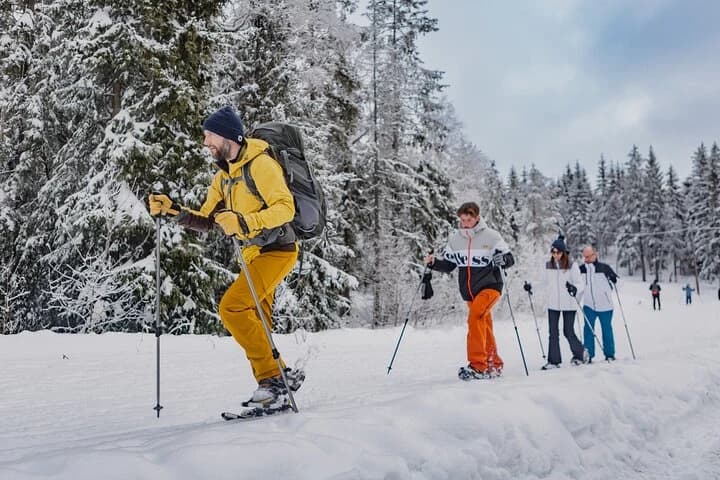
January: Often the coldest month, with average temperatures around -7°C to -2°C. Snow cover is usually consistent, making it prime time for skiing and other winter activities in the surrounding areas. For an adventurous winter experience, consider a Thrilling Oslo Guided Snowshoe Tour: Scenic Winter Fun.
February: Similar to January in terms of cold and snow, with average temperatures between -6°C and -1°C. Daylight hours begin to noticeably lengthen. This is still an excellent time for winter sports.
For more on planning your winter escape, our Oslo travel guide offers broad advice.
Oslo in Spring: March, April, May
Spring in Oslo is a period of transition from winter cold to summer warmth. Temperatures gradually rise, and snow melts, giving way to blooming flowers and greenery. Crowds are moderate, increasing towards May. This season offers a good balance of pleasant weather and fewer tourists than the peak summer months.
March: Still feels very much like winter for much of the month, with average temperatures around -3°C to 3°C. Snow can still be present, especially in early March. Ski resorts typically remain open.
April: The weather becomes noticeably milder, with average temperatures between 2-8°C. Snow largely disappears from the city center, and trees start to bud. This month can be unpredictable, with both sunny, mild days and colder, wetter periods.
May: A beautiful month as spring fully arrives, with average temperatures from 7-14°C. Trees are green, flowers are in bloom, and daylight hours are long. This is a popular month for local celebrations, particularly Norway's Constitution Day on May 17th, which sees parades and festivities across the city. Many outdoor attractions reopen fully. This is an excellent alternative to summer for those who want good weather without peak crowds.
Plan Your Oslo Adventure
No matter when you decide is the best time to visit Oslo, there's an experience waiting for you. Whether you prefer the long, bright days of summer for fjord cruises and biking, or the serene, snowy landscapes of winter for snowshoeing, Oslo has something to offer. Explore our full range of verified small-group and sustainable tours to enhance your journey.