Arriving in Oslo: Airport Transfers
Most international flights arrive at Oslo Airport Gardermoen (OSL). You have several reliable options for getting from Oslo Airport to city centre:
* Airport Express Train (Flytoget): This is the fastest way, connecting OSL directly to Oslo Central Station (Oslo S) and other key city stops like Nationaltheatret and Skøyen. Trains depart frequently, and the journey is direct. * Regional Trains (Vy): Operated by Vy (formerly NSB), regional trains offer a more budget-friendly alternative to the Flytoget. They also connect OSL to Oslo S and other stations, with slightly longer travel times and potentially more stops. Check schedules to ensure the best fit for your arrival. * Airport Express Coaches (Flybussen): Several bus lines operate between the airport and various points in Oslo, including the city centre. These can be a good option if your accommodation is not near a train station or if you prefer bus travel. Travel time can vary depending on traffic conditions.
Navigating the City: Oslo Public Transport
Oslo's public transport network, managed by Ruter, is extensive and efficient. It integrates trams, buses, metro (T-bane), and local ferries, allowing you to reach almost any part of the city and its surrounding areas. This comprehensive system makes getting around Oslo without a car very easy.
Trams and Buses
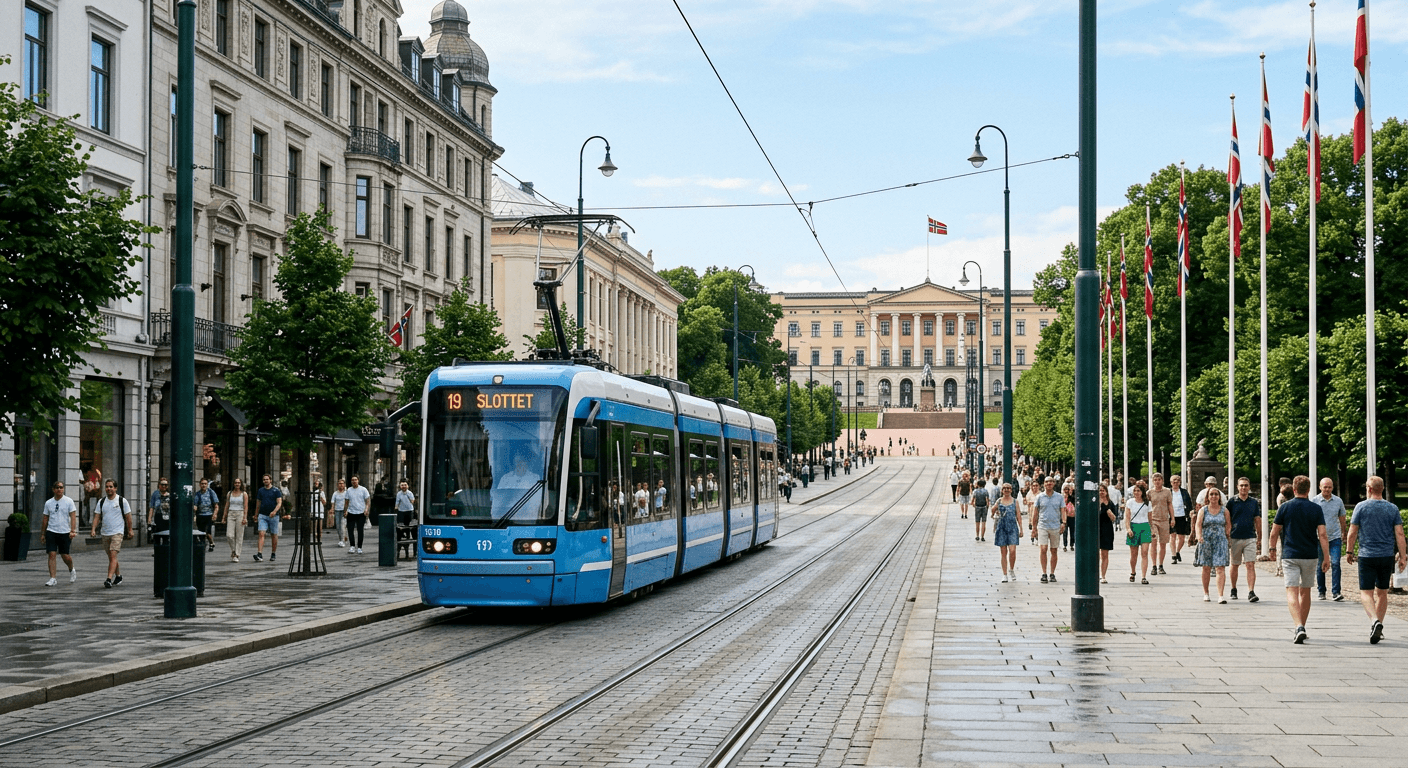
Oslo's trams are an iconic way to explore the city, covering central areas and extending to residential neighbourhoods. Buses supplement the tram network, reaching areas not served by rail and providing frequent service, especially at night. Both are excellent for short distances and experiencing the city's daily rhythm.
Metro (T-bane)
The metro system is ideal for covering longer distances quickly. With six lines, it connects the city centre to outer boroughs, including popular hiking areas in Nordmarka and residential suburbs. All lines pass through the central loop, making transfers simple.
Ferries
For exploring the Oslo Fjord and its islands, local Ruter ferries are part of the public transport system. These depart from Aker Brygge or Rådhusbrygge and offer scenic journeys to islands like Hovedøya, Gressholmen, and Lindøya. These are a sustainable way to enjoy the fjord's natural beauty. For a more tailored experience on the water, consider the Oslo Fjord Private Cruise: Luxury Tailored Experience or the Oslo Island Hopping Tour: Fjord & Nature Escape.
Tickets and Passes
Ruter operates a zone-based fare system, with most of Oslo's attractions located within Zone 1. You can purchase single tickets via the RuterBillett app, from ticket machines at stations, or at kiosks. For visitors planning to use public transport frequently, an Oslo transport pass is highly recommended:
* 24-hour ticket: Ideal for a single day of extensive travel. * 7-day ticket: Offers good value for longer stays, allowing unlimited travel within chosen zones. * 30-day ticket: Best for those staying for an extended period, providing significant savings compared to buying individual tickets.
These passes can be purchased via the Ruter app, at Ruter Service Points, or Narvesen and 7-Eleven convenience stores. Remember to validate your ticket when boarding, or activate it in the app, to avoid fines. For more information on what to see and do, visit our Things to do in Oslo page.
Walking and Cycling
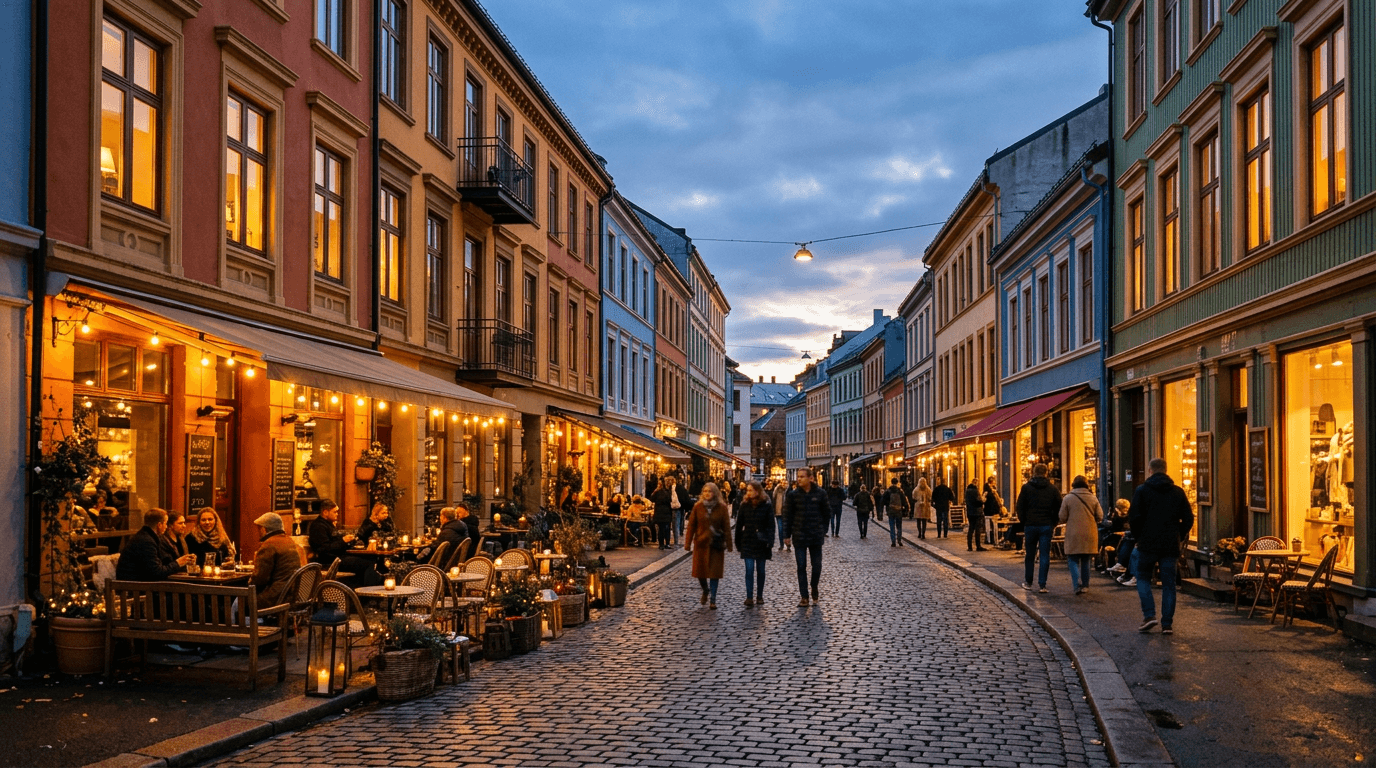
Oslo is a very walkable city, especially the compact city centre around Karl Johans gate, the Royal Palace, and Aker Brygge. Many of the city's key sights are within easy reach on foot, allowing you to experience the street-level atmosphere.
Cycling is also a popular and environmentally friendly way of getting around Oslo. The city has a growing network of bike lanes and offers city bike rentals. Exploring on two wheels allows for flexibility and access to areas off the main tourist routes. If you enjoy cycling, consider joining a Guided Bike Tour Oslo: Explore Norway's Capital by Bike to see the city with local insights.
Taxis and Ride-Sharing
Taxis are available throughout Oslo, identifiable by their light-coloured roofs. You can hail them on the street, find them at taxi ranks (common at major transport hubs and hotels), or book them via apps. Ride-sharing services also operate in the city, offering another option for on-demand transport. These options are generally more expensive than public transport but offer door-to-door convenience, particularly useful late at night or when carrying heavy luggage.
Practical Tips for Getting Around Oslo
* Download the Ruter App: This essential app allows you to buy tickets, plan routes, and check real-time departure information for all public transport services. It simplifies getting around Oslo considerably. * Google Maps: Useful for navigating on foot, planning public transport routes, and estimating travel times. * Consider a Multi-Day Pass: If you plan to use public transport more than a couple of times a day, a 24-hour or 7-day Oslo transport pass is likely the most economical choice. * Dress for the Weather: Oslo's weather can be changeable. If walking or cycling, be prepared for rain or cooler temperatures, even in summer. For winter activities, check out our Oslo City Hub page for options like the Thrilling Oslo Guided Snowshoe Tour: Scenic Winter Fun.
By familiarising yourself with these options, you can enjoy all that Oslo has to offer with ease and efficiency. Don't forget to explore our Oslo tours and activities for experiences that help you make the most of your visit.